2025: The Year We Tightened Our Belt—and Kept Our Heart
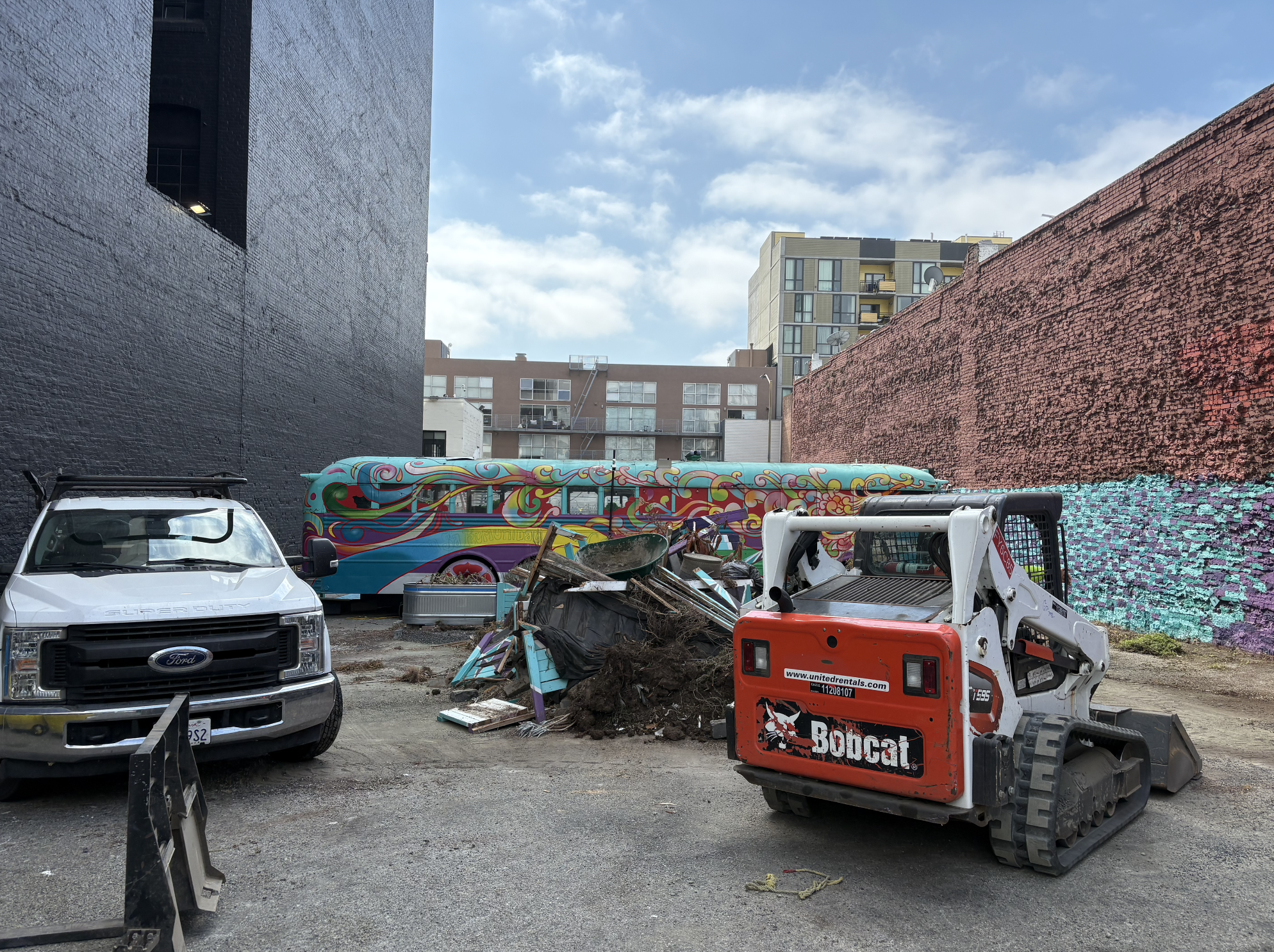
Kapwa Gardens demolition, August 2025
If 2025 had a headline at Kultivate Labs, it would be this: contraction with purpose.
This year asked a lot of us. We made difficult decisions, said goodbye to spaces we loved, and rebuilt our operations around a leaner reality. And still—through all of it—our community showed up. Not just to attend events, but to carry culture forward when conditions made it harder than ever.
What follows is an honest look at what 2025 demanded from us, what it revealed about our resilience, and why we’re stepping into 2026 with steady hope.
The Hard Part: Closing Doors, Right-Sizing, and Scaling Back
2025 was a year of contraction. To keep Kultivate Labs stable and sustainable, we had to make painful choices—choices that reflected the bigger economic pressures impacting the nonprofit and arts ecosystem across San Francisco.
We closed Balay Kreative, a space that has meant so much to artists and community builders in SOMA Pilipinas.
We later closed Kapwa Gardens, another beloved home for gathering, healing, and cultural activation.
We right-sized our budget to match the realities we were facing.
We reduced our public programming from nearly year-round to only 2 major events—not because the need disappeared, but because our capacity had to change in order to survive.
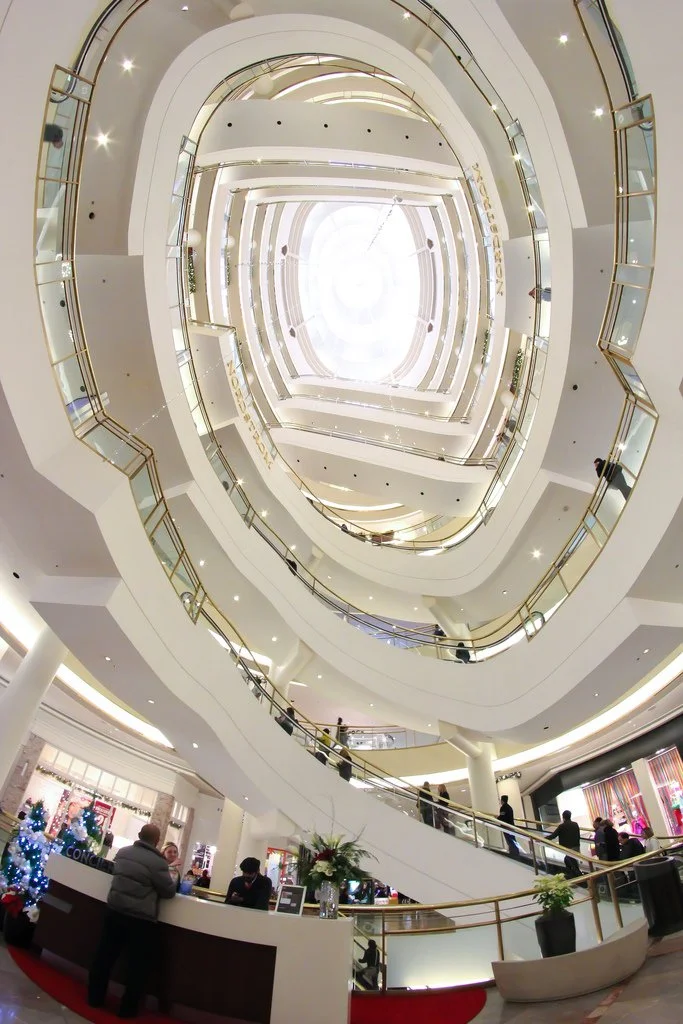
Photo Credit: Thomas Sørenes, Westfield San Francisco
The Mall: When the Activation Didn’t Hold
We also have to name another hard truth from 2025: our efforts to activate the mall did not succeed in the way we fought for.
We believed in the possibility—bringing culture, small business, and foot traffic together to help reverse the “doom loop” and re-anchor downtown. We invested time, energy, relationships, and creative problem-solving to make it work.
But the conditions underneath that project were bigger than any one organization: shifting market realities, structural vacancy, inconsistency in alignment across stakeholders, and the sheer difficulty of rebuilding a downtown ecosystem in real time. Despite our best efforts, the activation didn’t hold—and we had to make the call to stop pouring limited capacity into something that wasn’t sustainable.
That decision was painful. It also clarified our direction going forward: we can’t carry transformation alone, and we have to focus our resources where community impact is real—and where the foundation is strong enough to build on.
This wasn’t a retreat from purpose. It was a strategy for endurance.
When you put down roots in a neighborhood, the work is never just about events. It’s about presence. It’s about trust. It’s about being there consistently. So shrinking our footprint in SOMA Pilipinas was not easy—not emotionally, not operationally, not symbolically.
But we chose to protect the long-term future of Kultivate Labs, even when it meant short-term loss.
UNDISCOVERED Season 9: When Forces Bigger Than Us Hit at Once
We also want to be real about UNDISCOVERED Season 9. We’ve always known how to produce in imperfect conditions—but this one stacked the deck.
We went into the season trying to make it work with about one-third of our usual production budget, which already meant tighter staffing, fewer amenities, less cushion, and less ability to problem-solve in real time.
Then the No Kings protest happened the same day, and it created traffic and access gridlock that none of us could control. For many people, it simply became impossible to get to the event—artists, vendors, community members, and attendees alike. Even with strong planning, there are moments when civic conditions overwhelm the best intentions.
Calling it what it was: it was a tough outcome—not because the community didn’t care, but because multiple realities collided at once.
And as hard as it was, it forced a sharpened lesson we’re carrying forward: when margins are thin, the impact of disruption gets bigger. Going into 2026, we’re committed to building smarter plans, stronger contingencies, and partnerships that reduce risk—so our artists and small businesses aren’t the ones absorbing the fallout when conditions shift.
Closing Spaces, Carrying It Forward
Letting go of spaces like Kapwa Gardens came with grief—but it also came with responsibility. We didn’t want the story to end with a closure. We wanted it to continue through community care and reuse, making sure what we built could still serve people.
That’s why we gifted the Kapwa Gardens bus to Kapwa Cultural Center, keeping it in the hands of community and aligned with the spirit it was always meant to hold
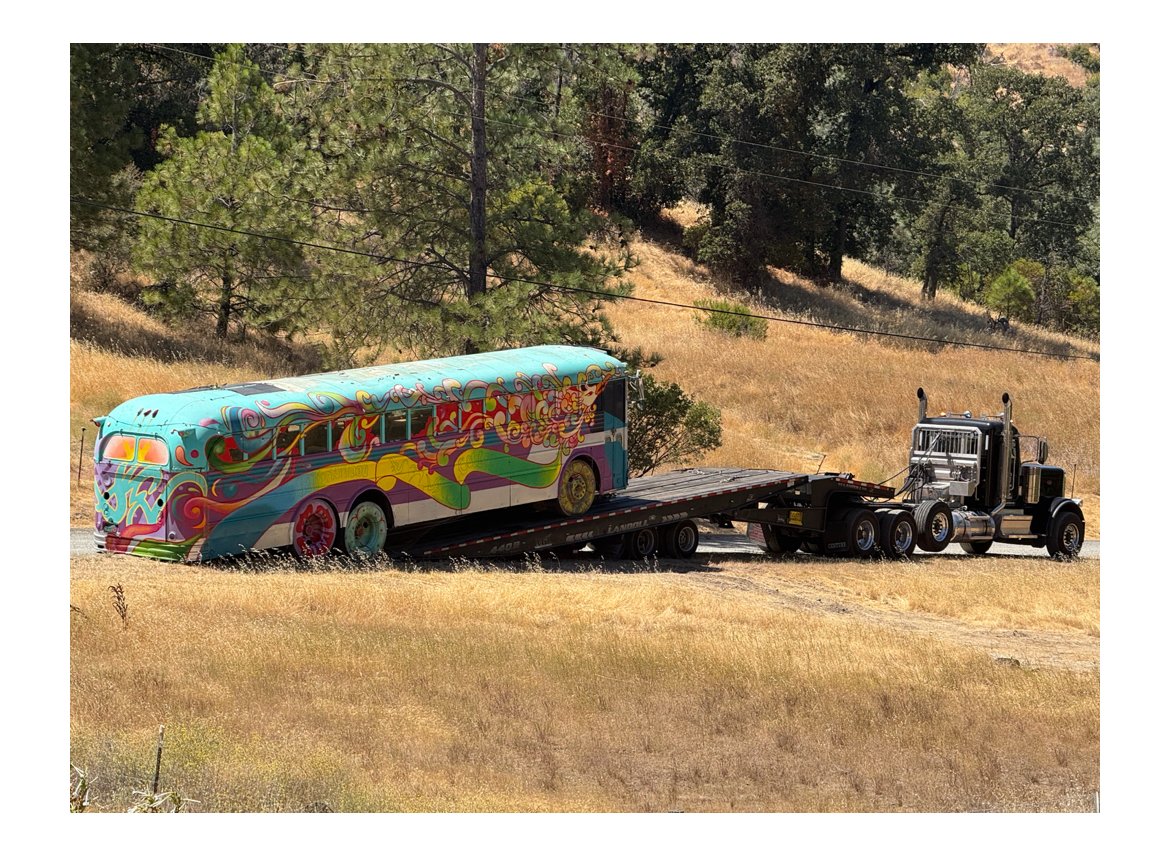
Kapwa Bus getting sent to Reimagination Farm in August 2025
And we also ensured that many of Kapwa Gardens’ fixtures could live on with purpose. We donated a significant portion of them to Urban Alchemy to support their Urban Oasis site, helping create a more humane, welcoming environment for unhoused neighbors. In a year of contraction, this was one way we chose to practice what we believe: dignity, stewardship, and care—especially when resources are tight.
The Hope Part: When Collaboration Works, Everyone Wins
Even in a year defined by loss, 2025 also showed us something powerful: the model still works when we work together.
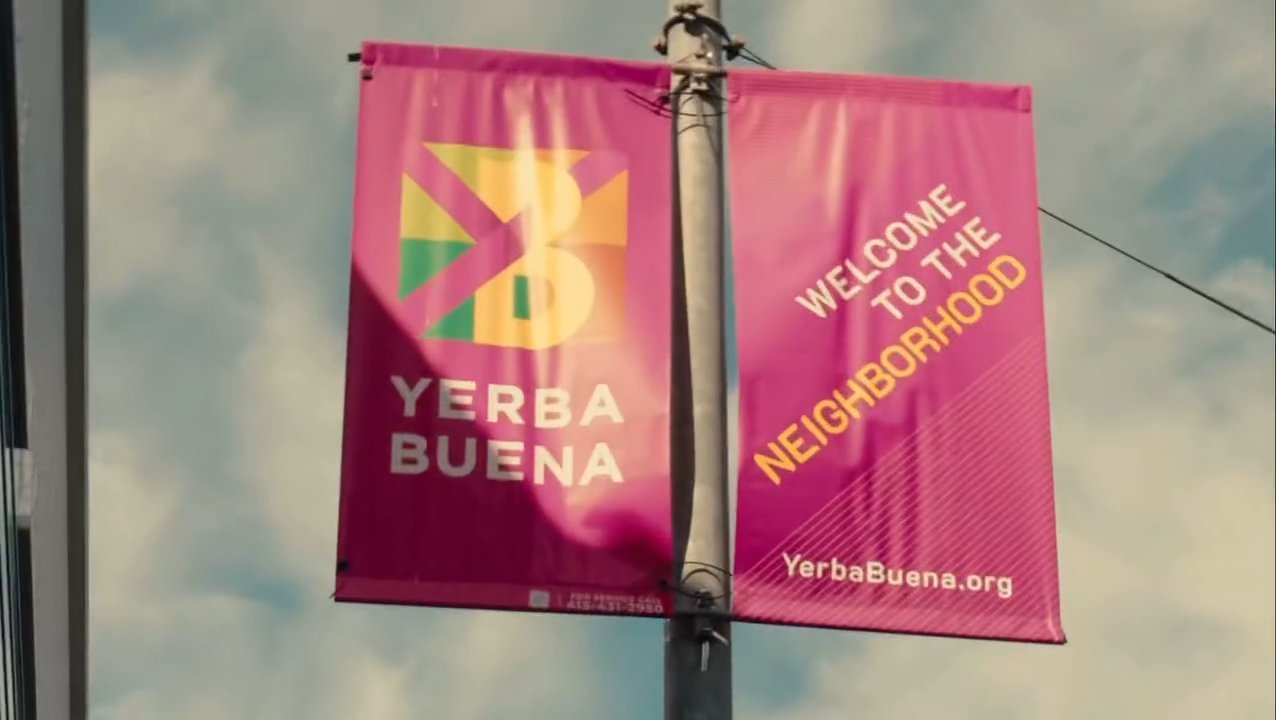
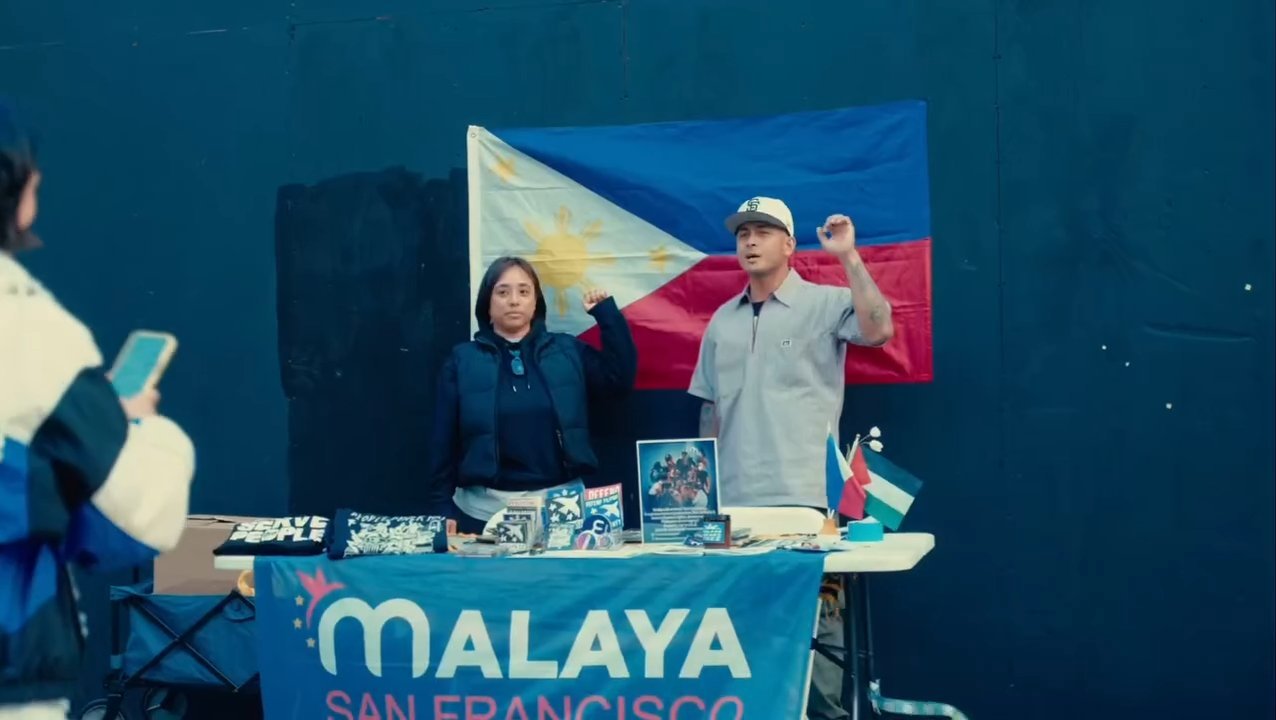
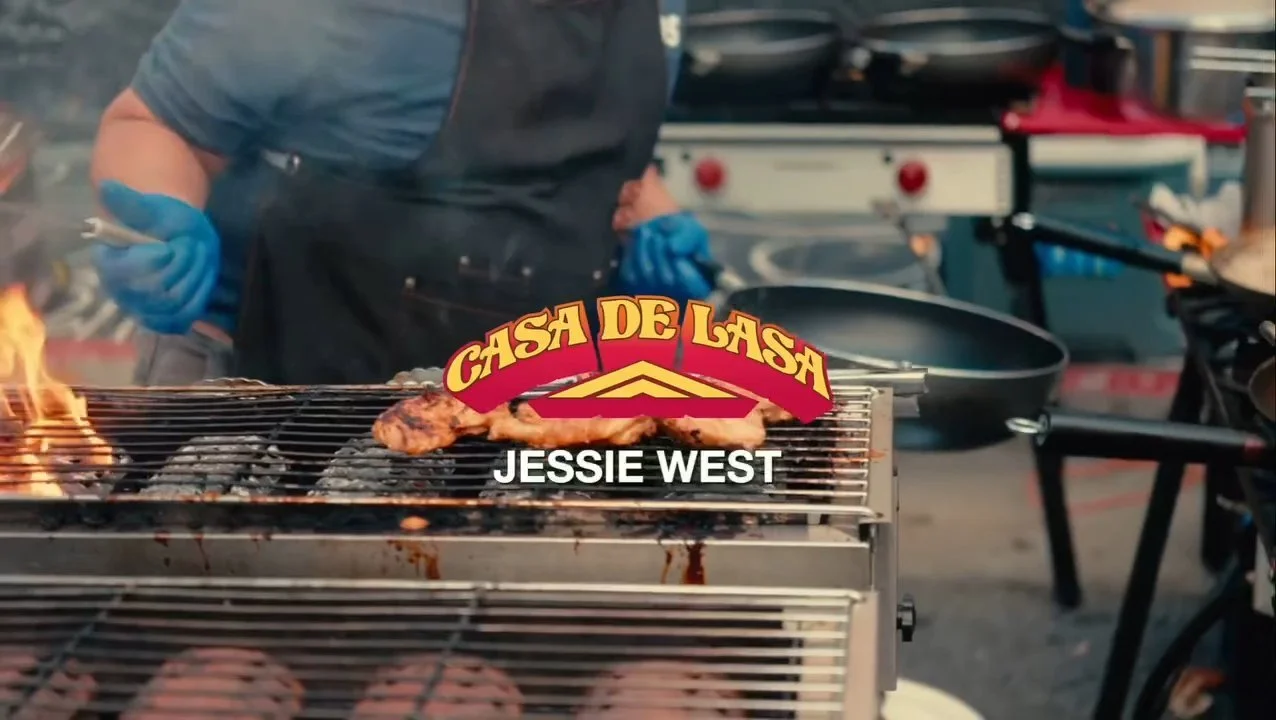
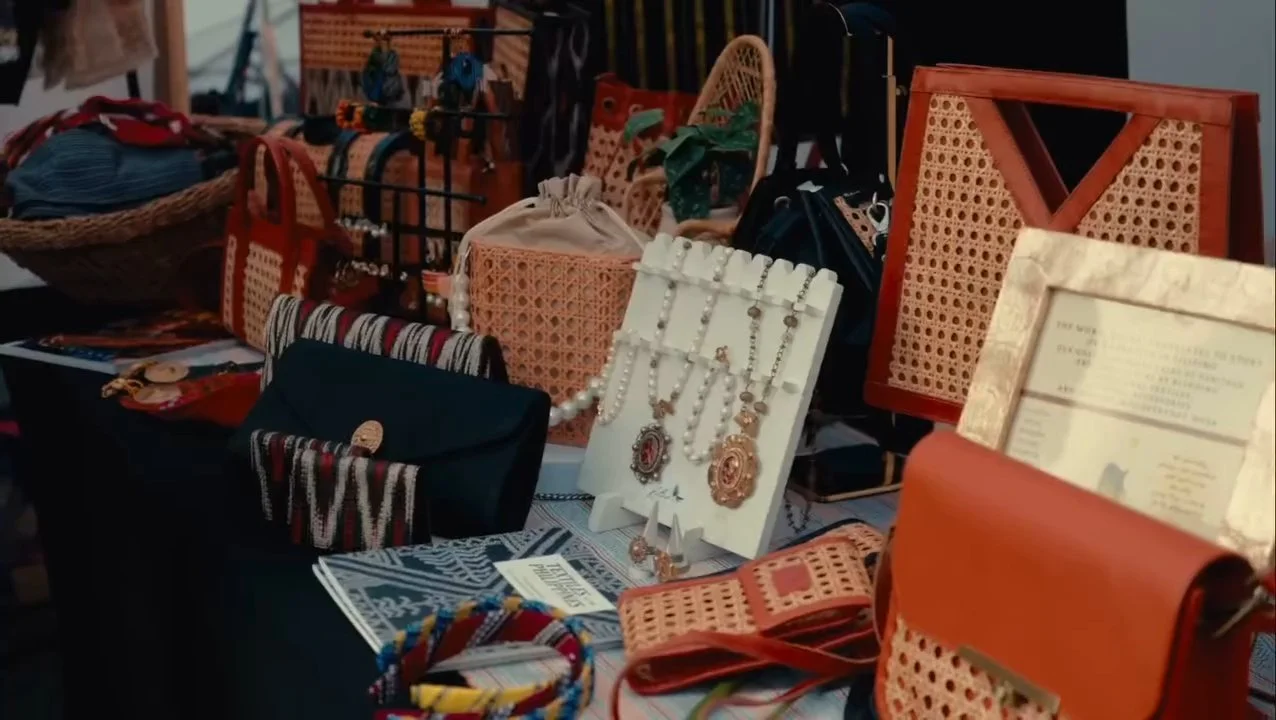
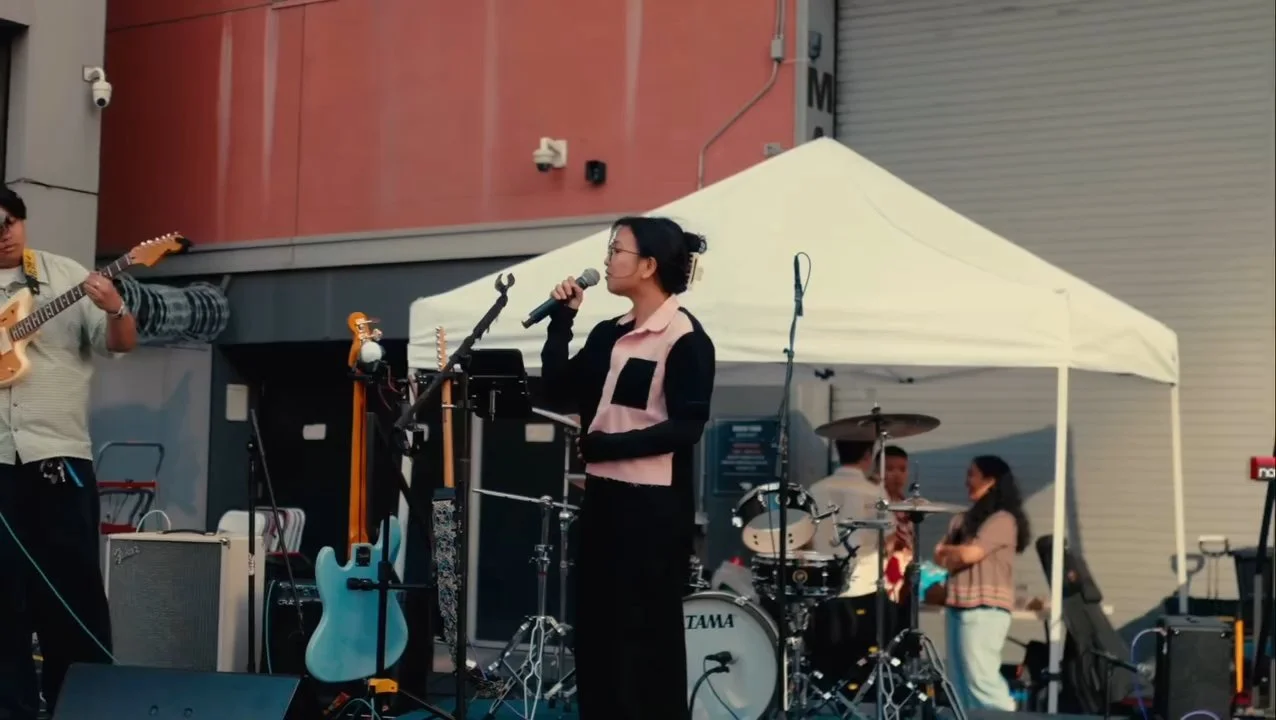
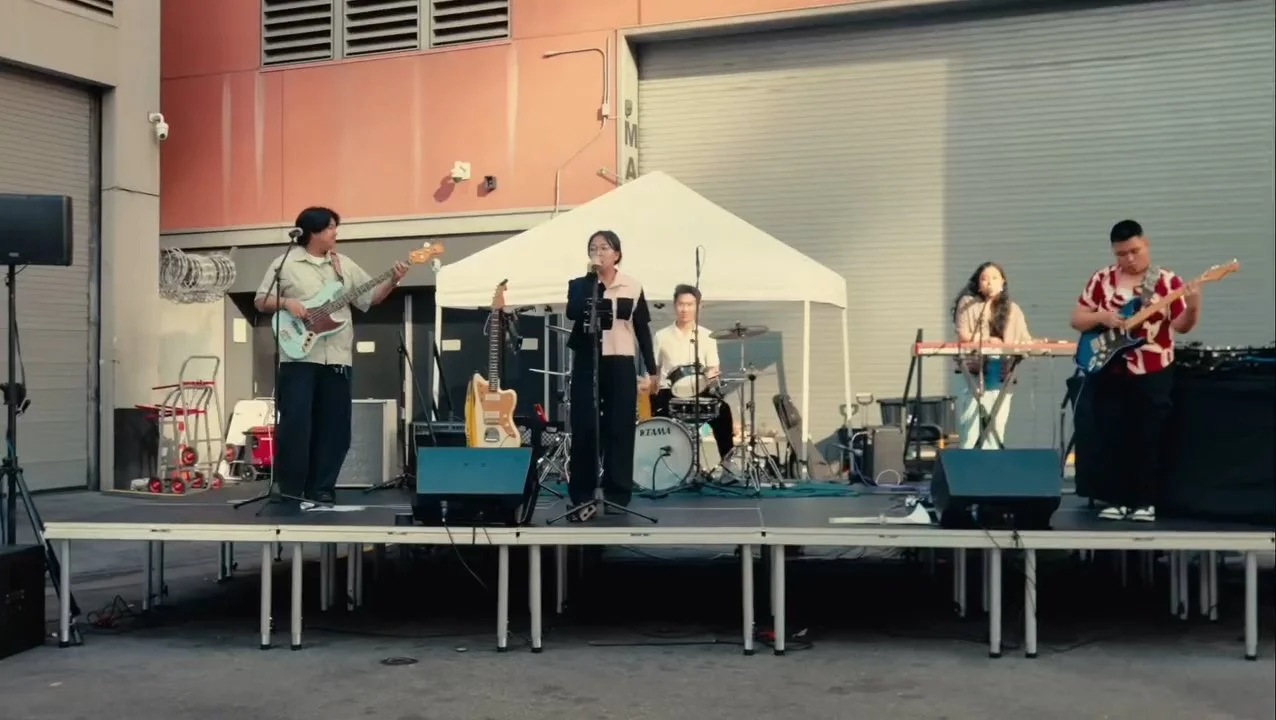
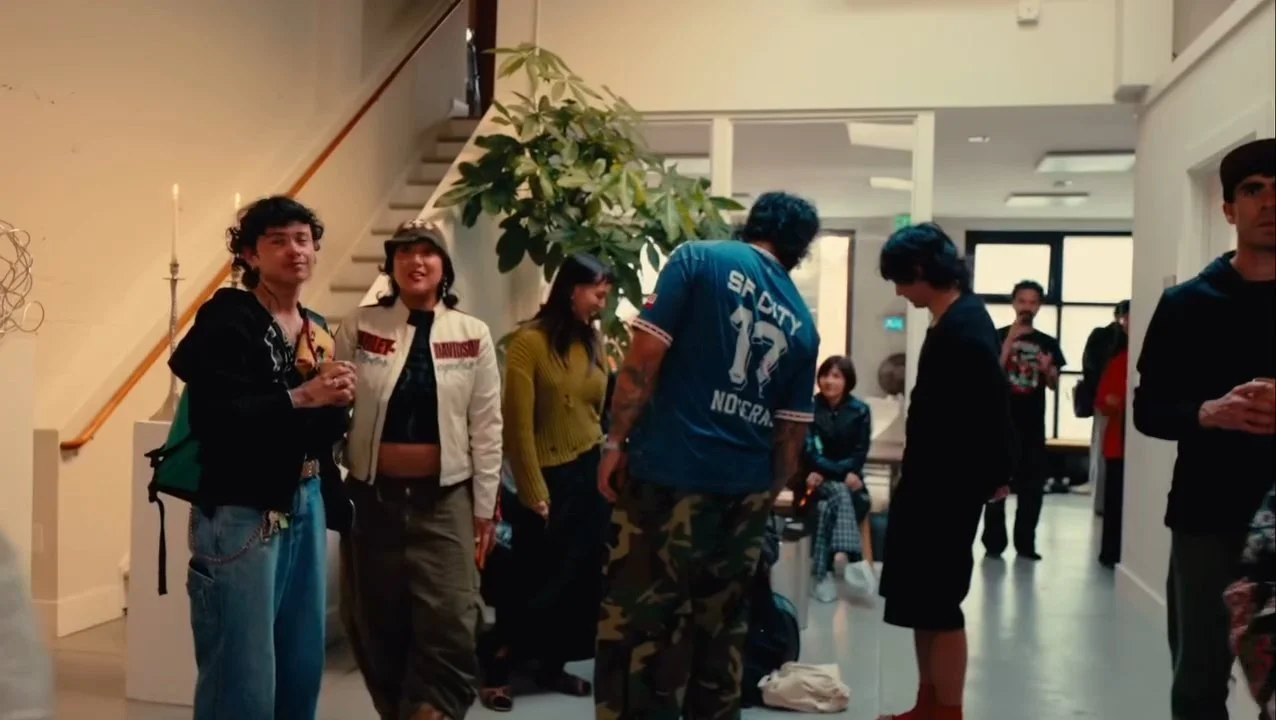
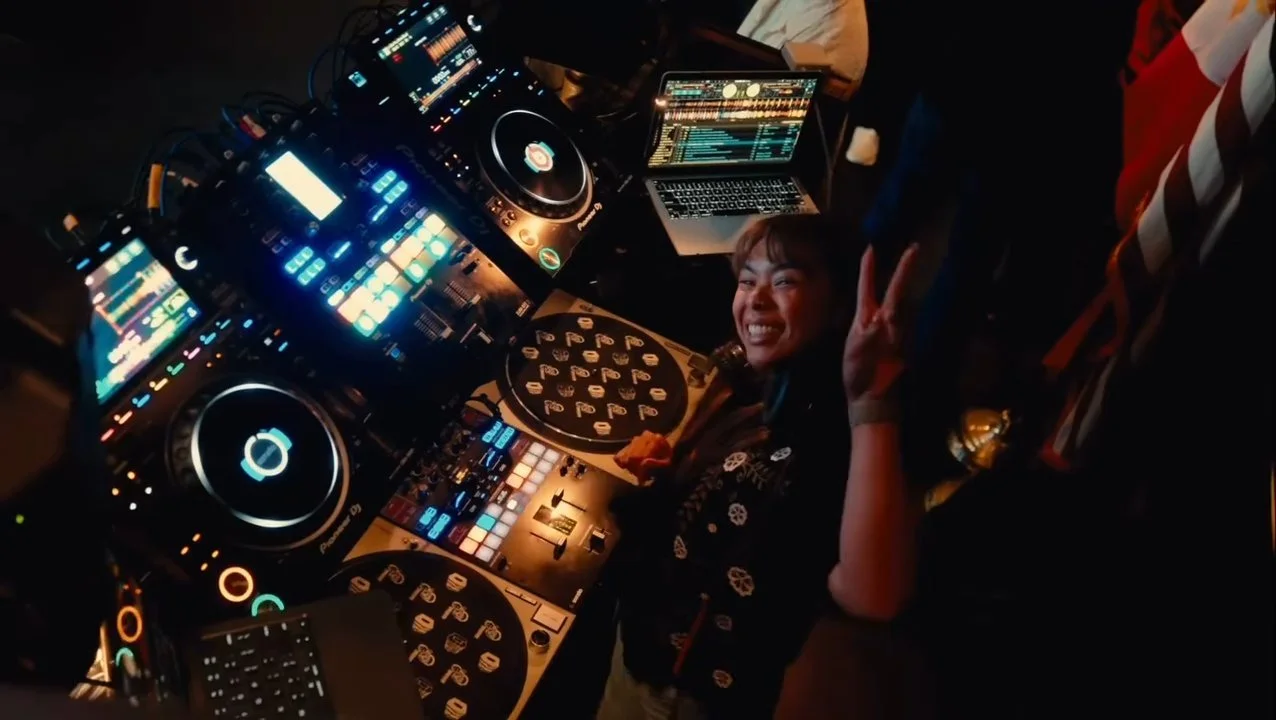
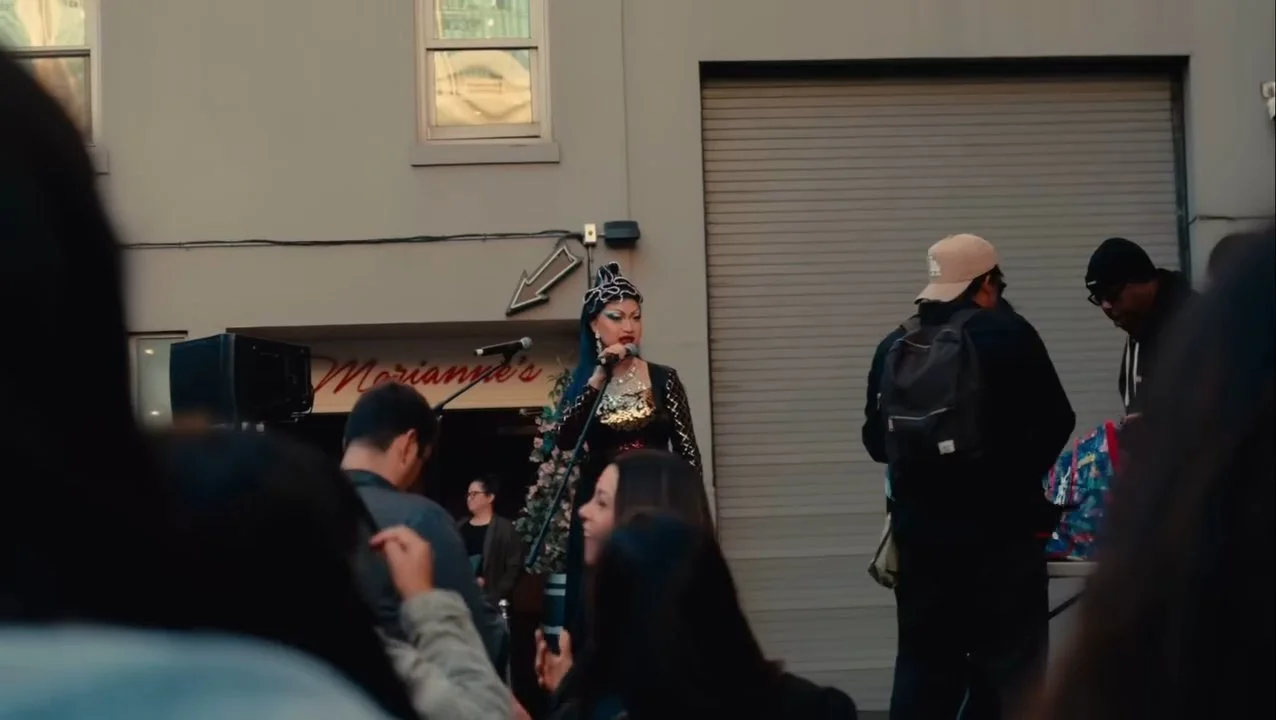
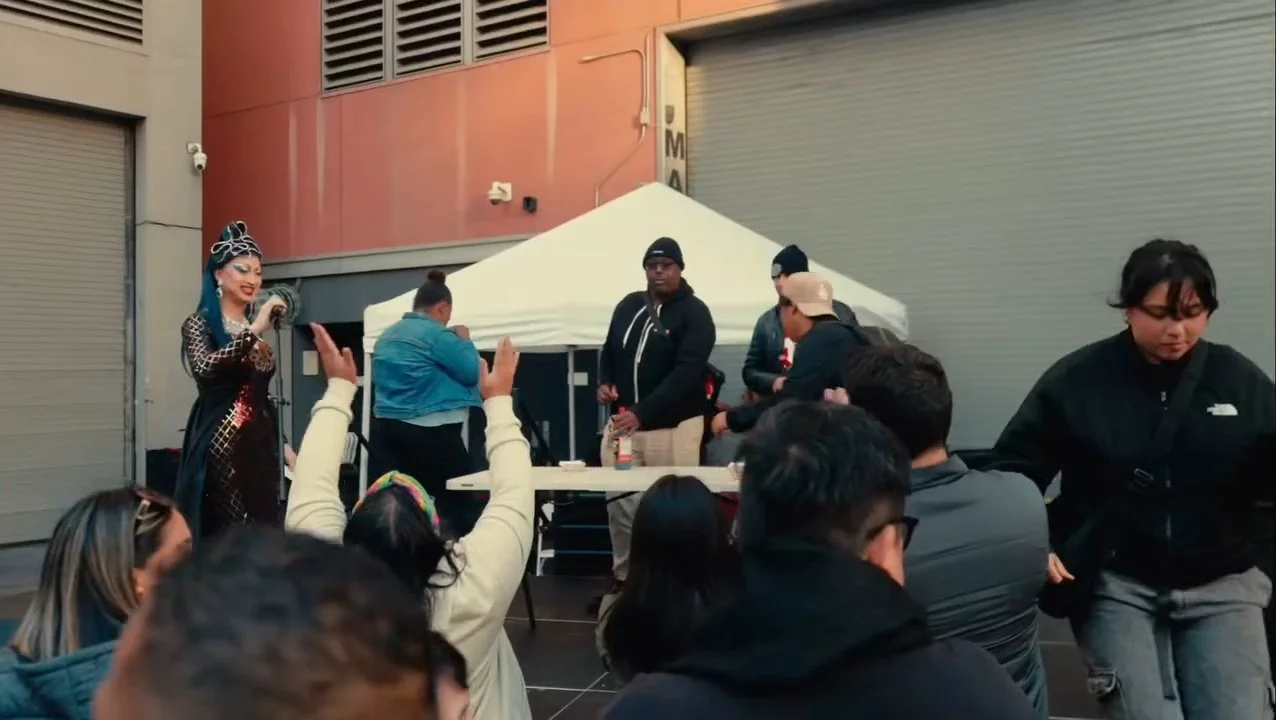
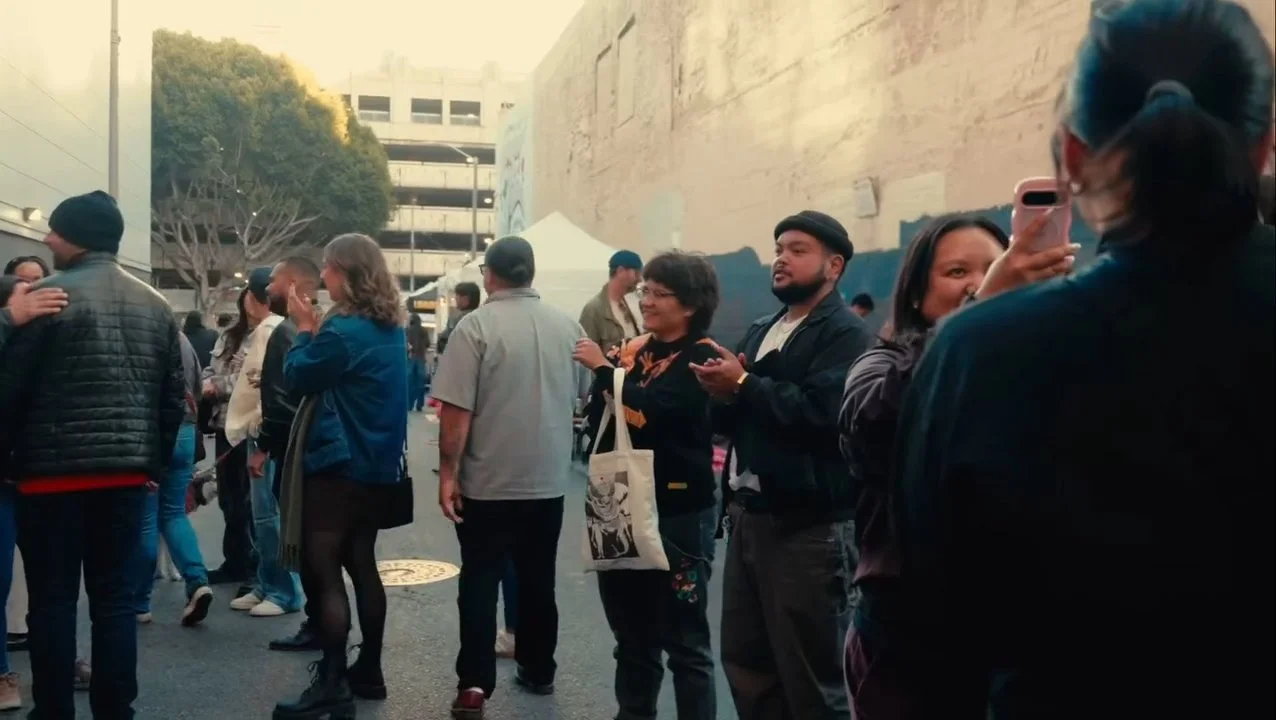
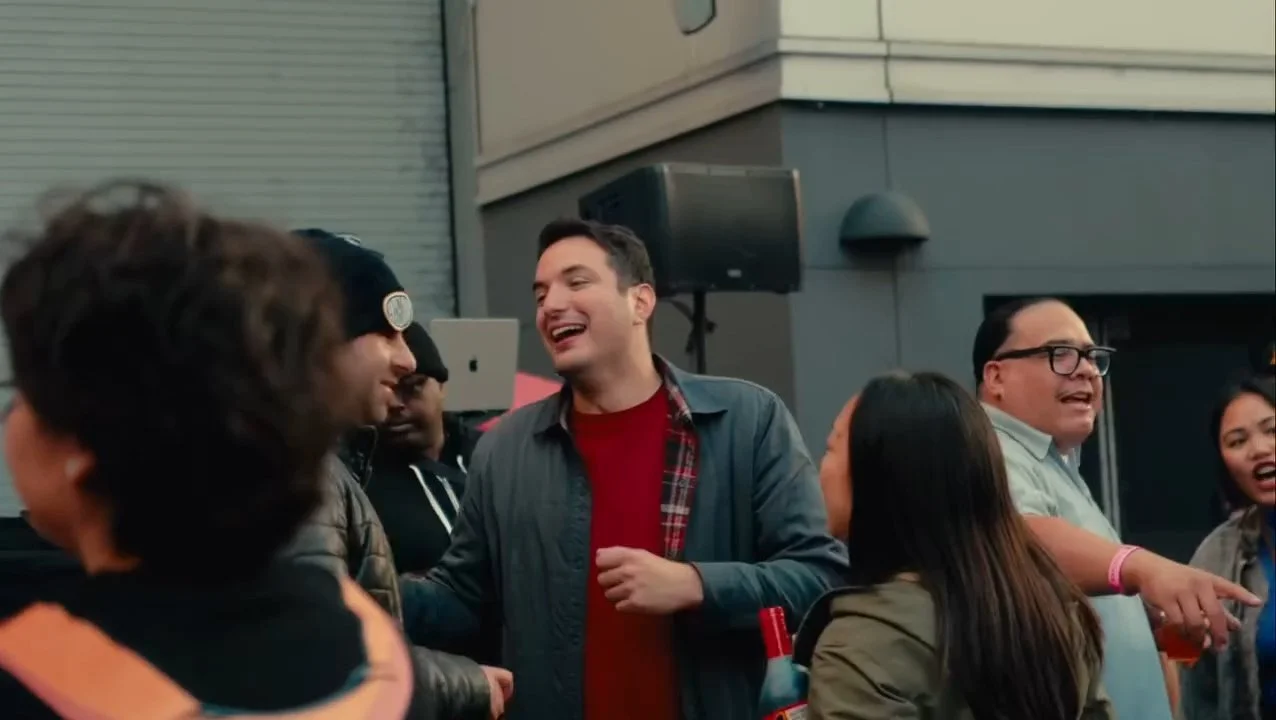
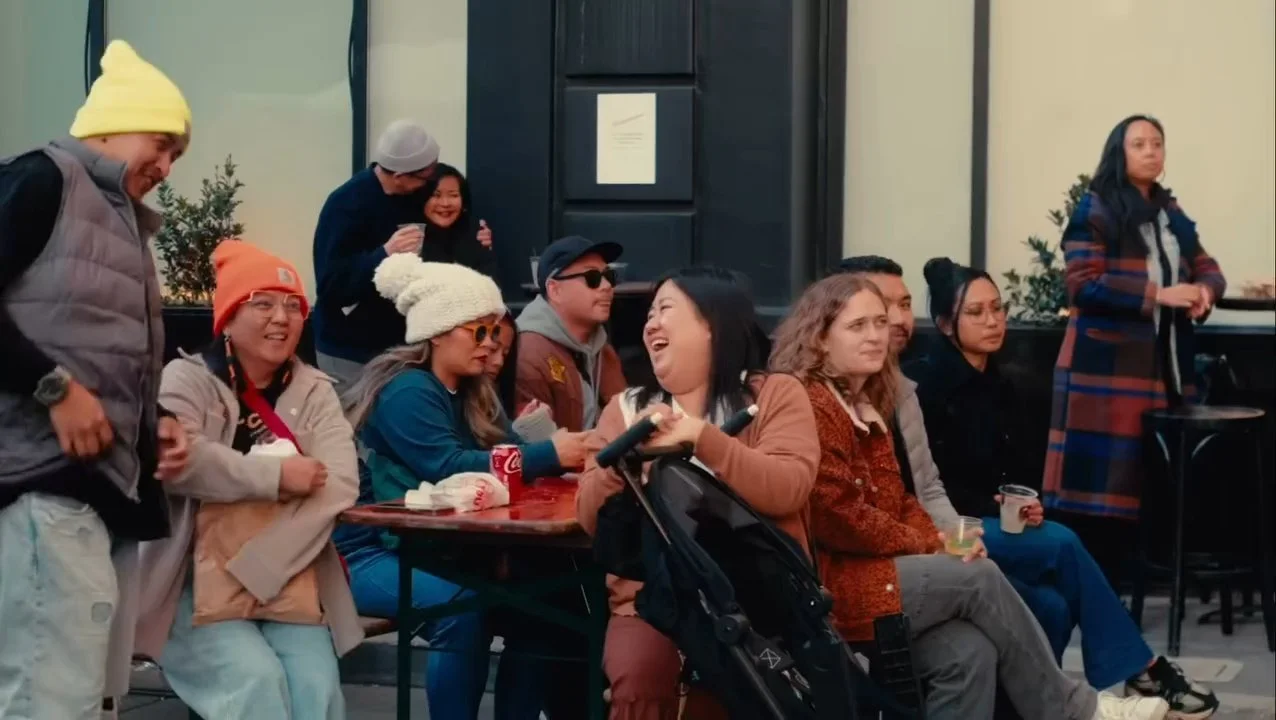
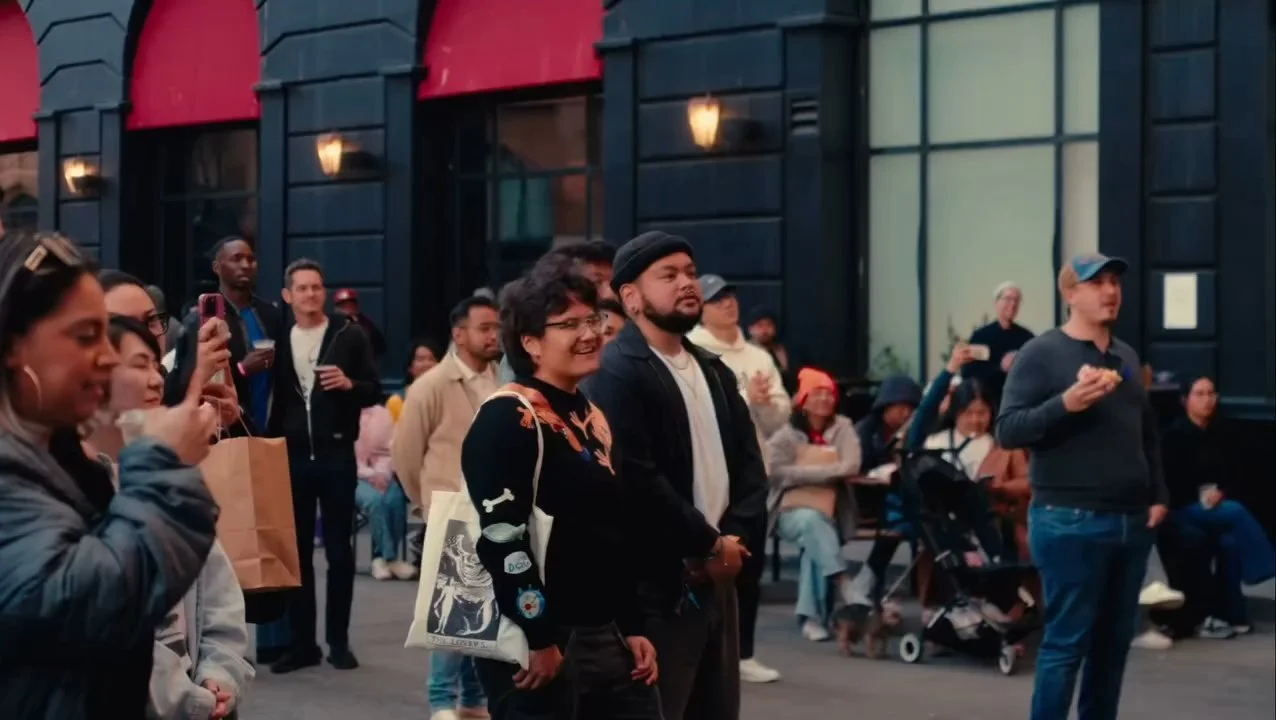
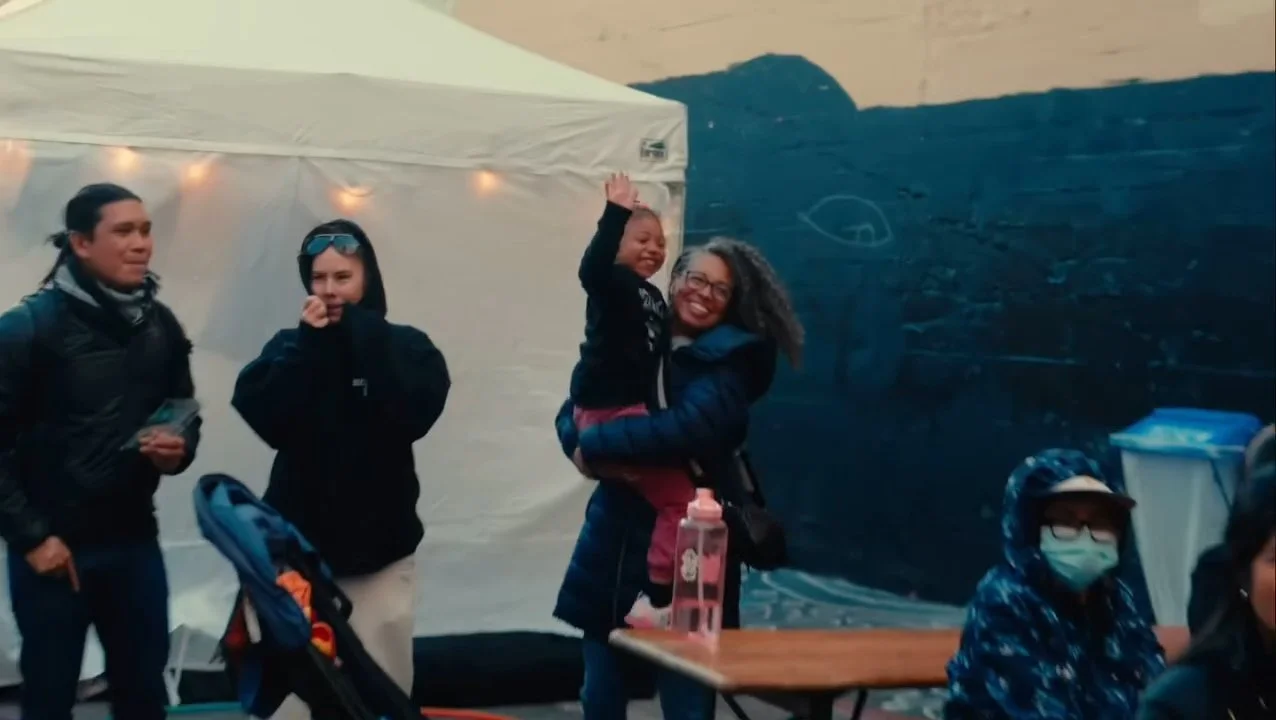
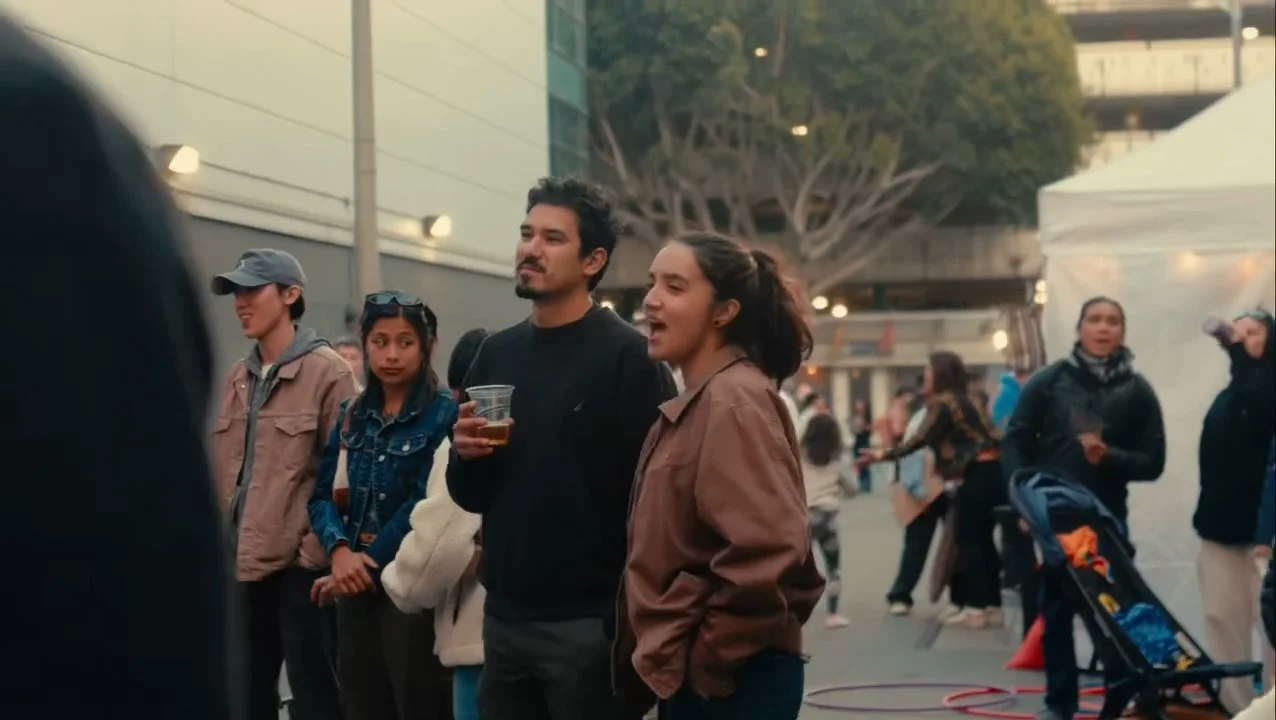
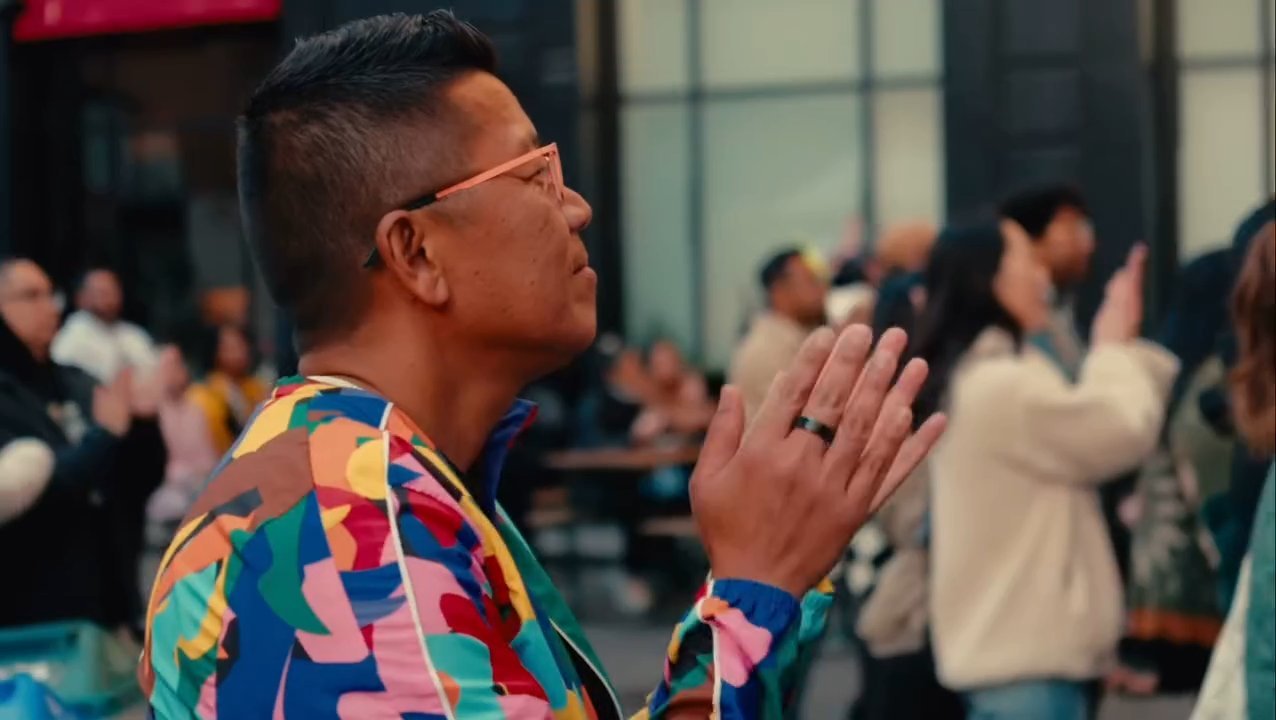
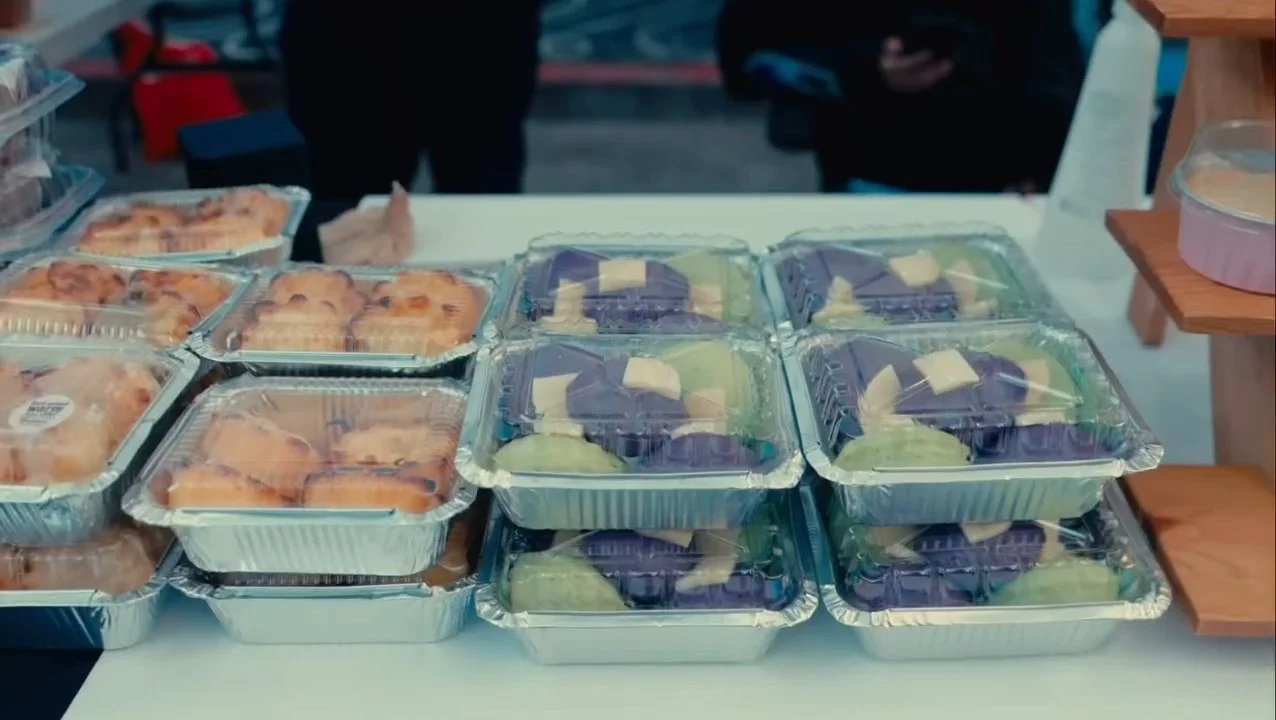
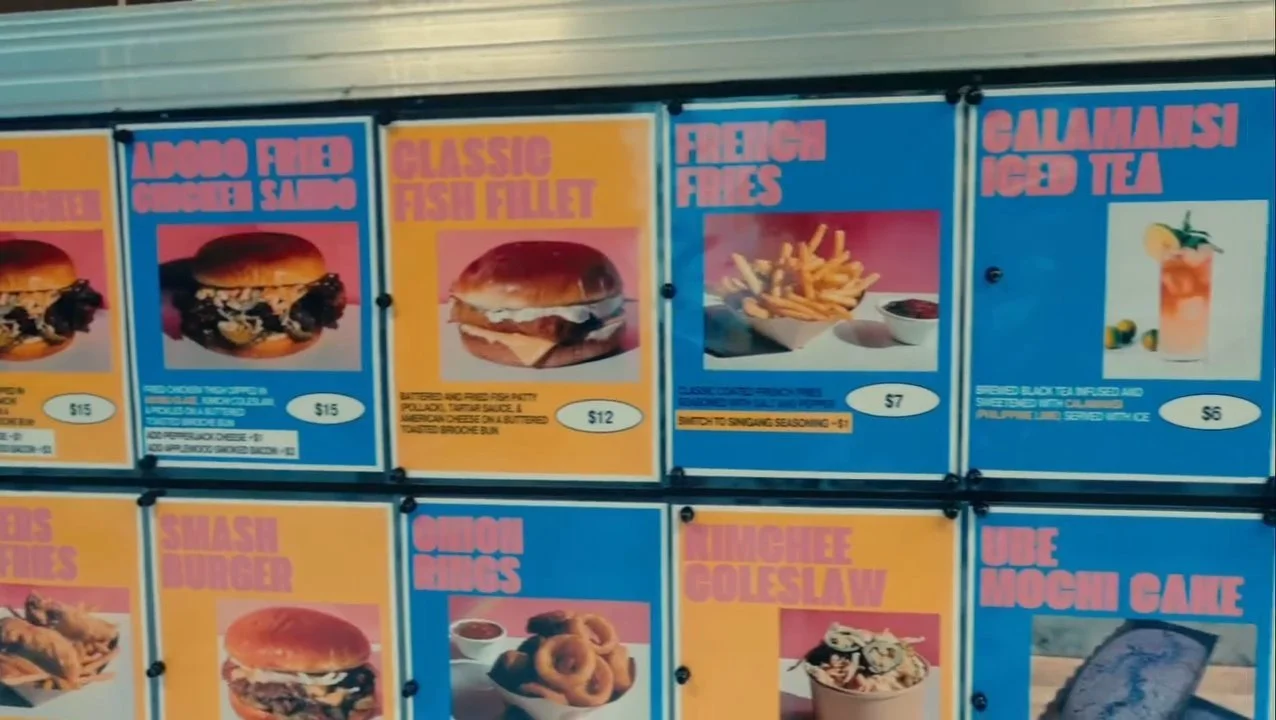
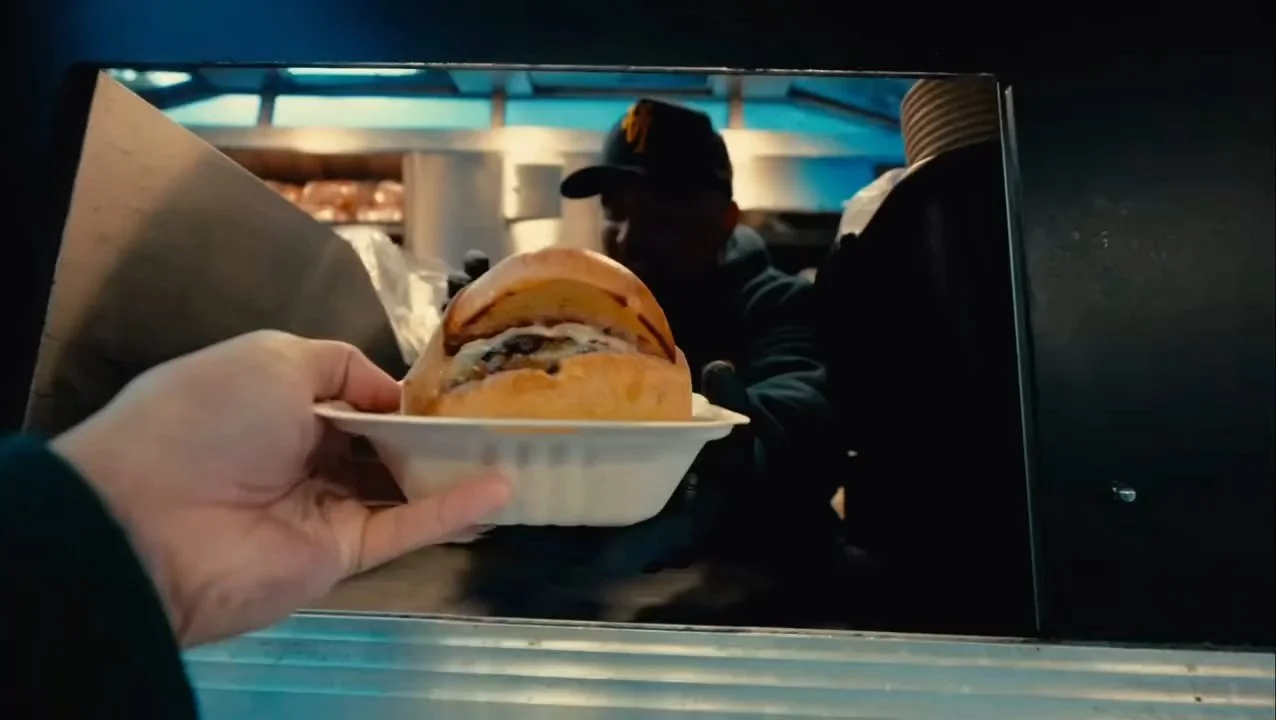

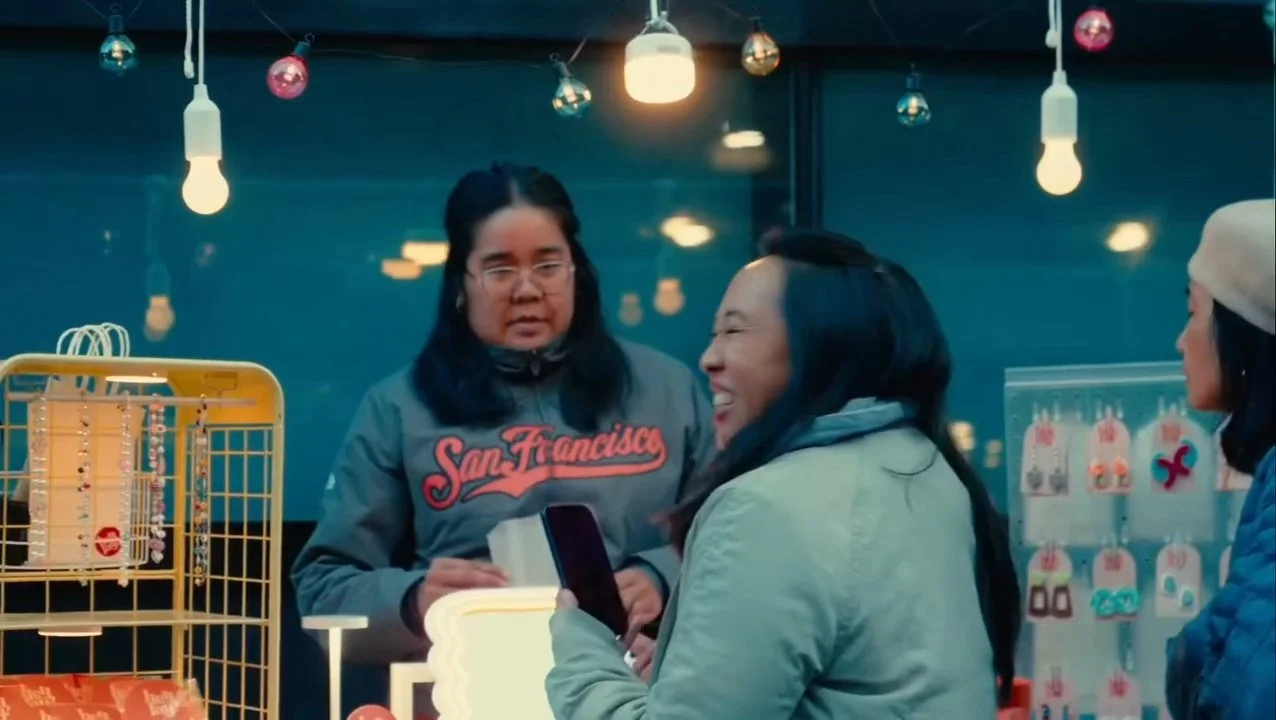
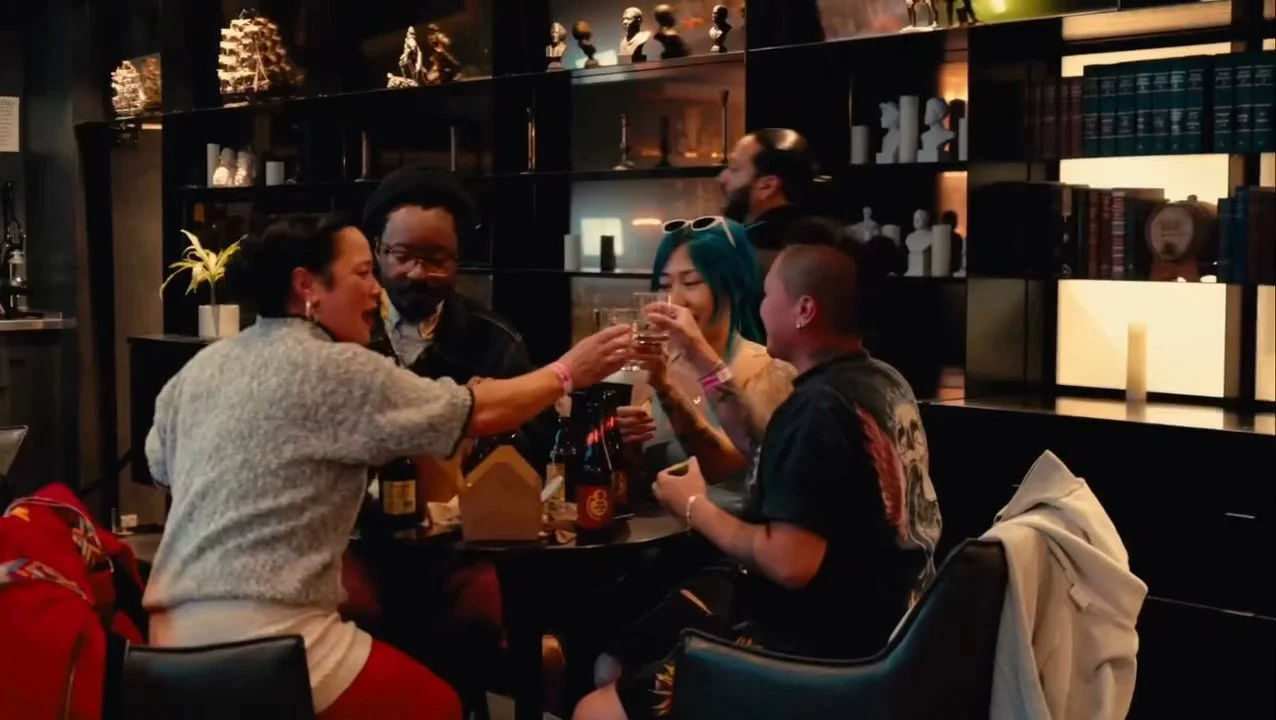
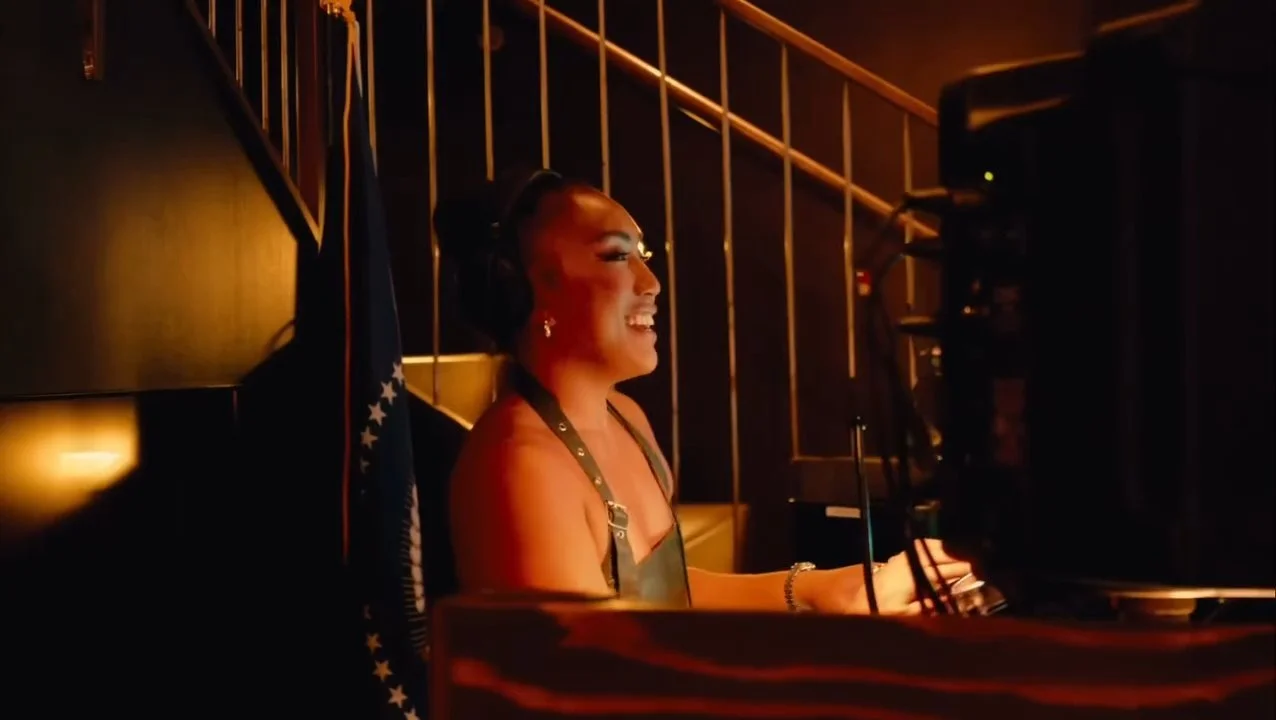

Photos by Matthew Guerrero Productions
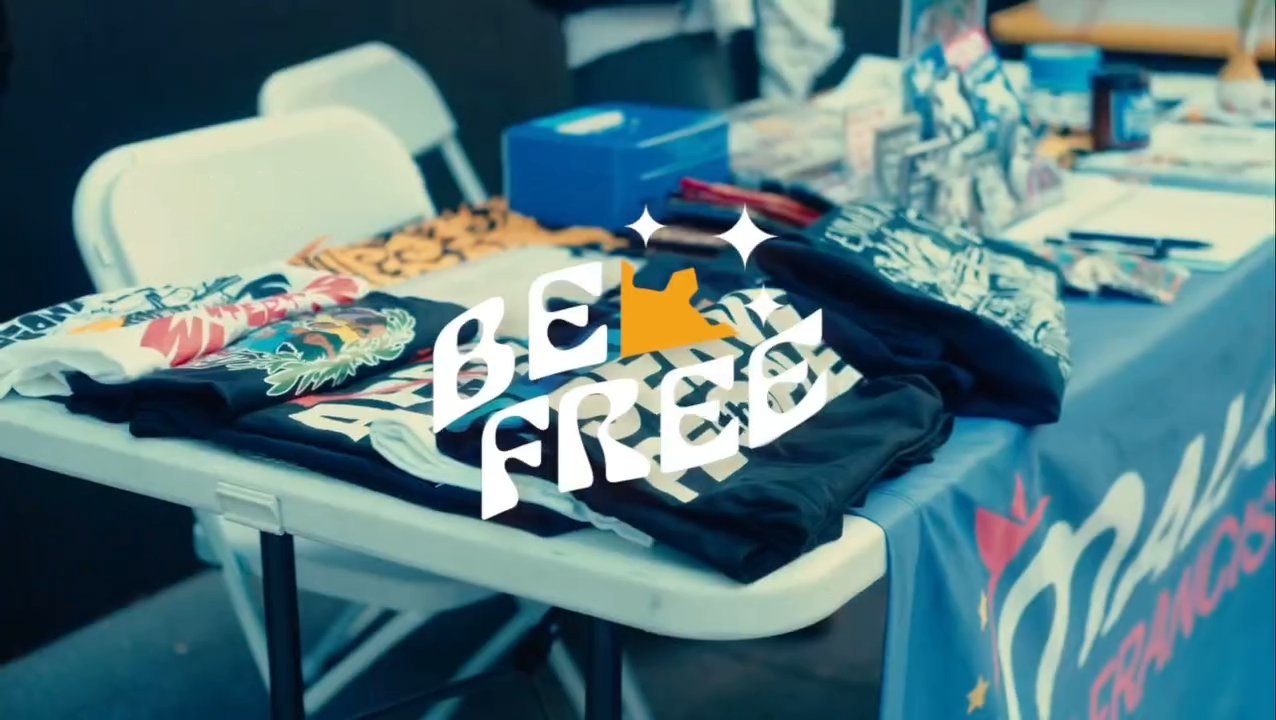
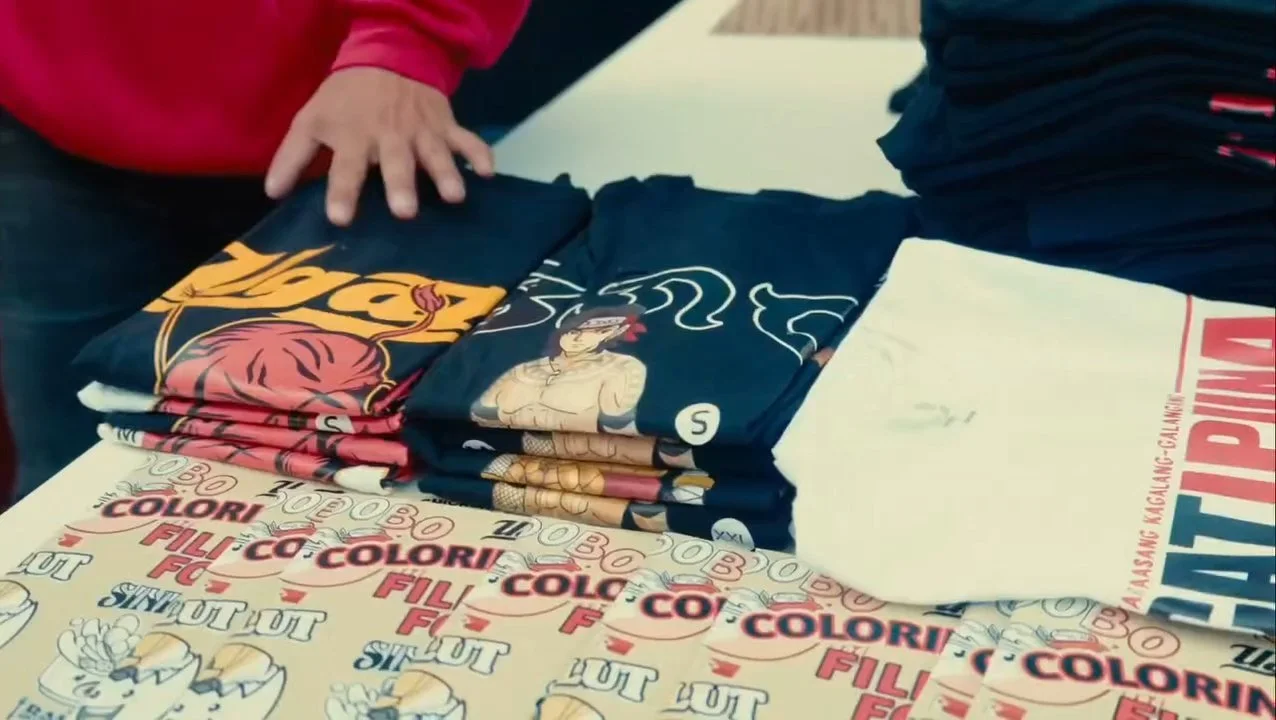
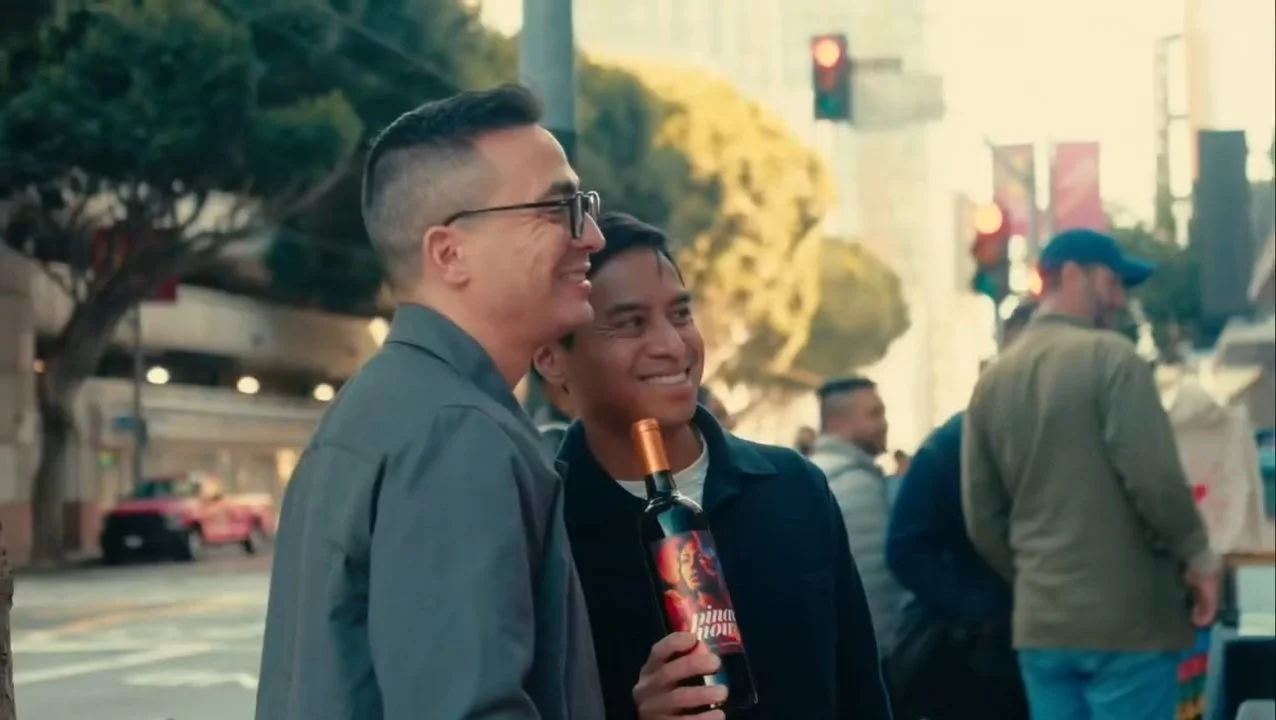
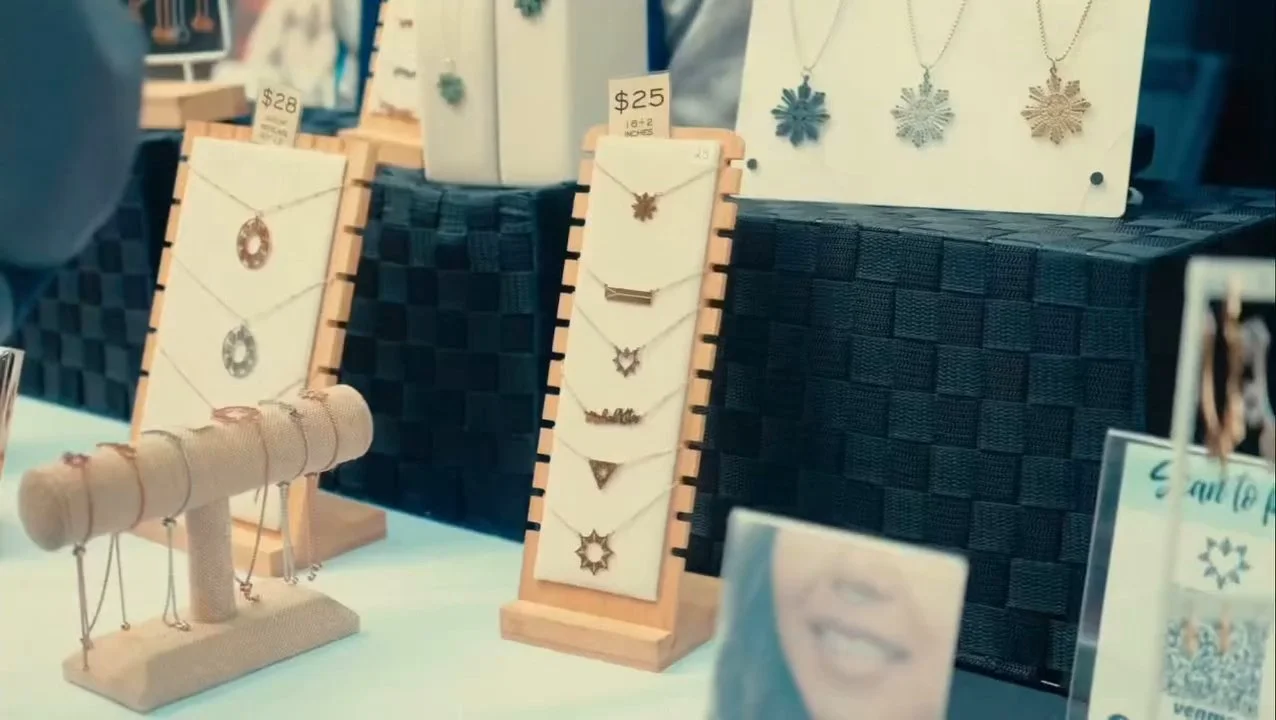
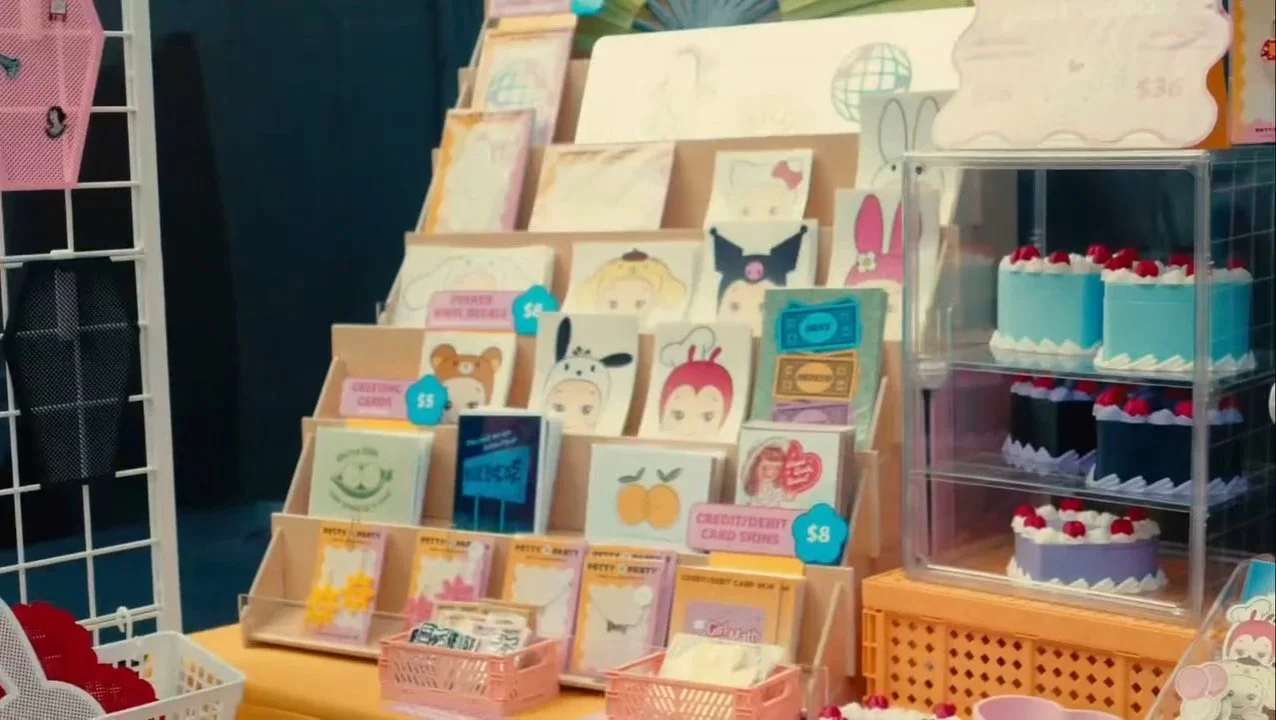
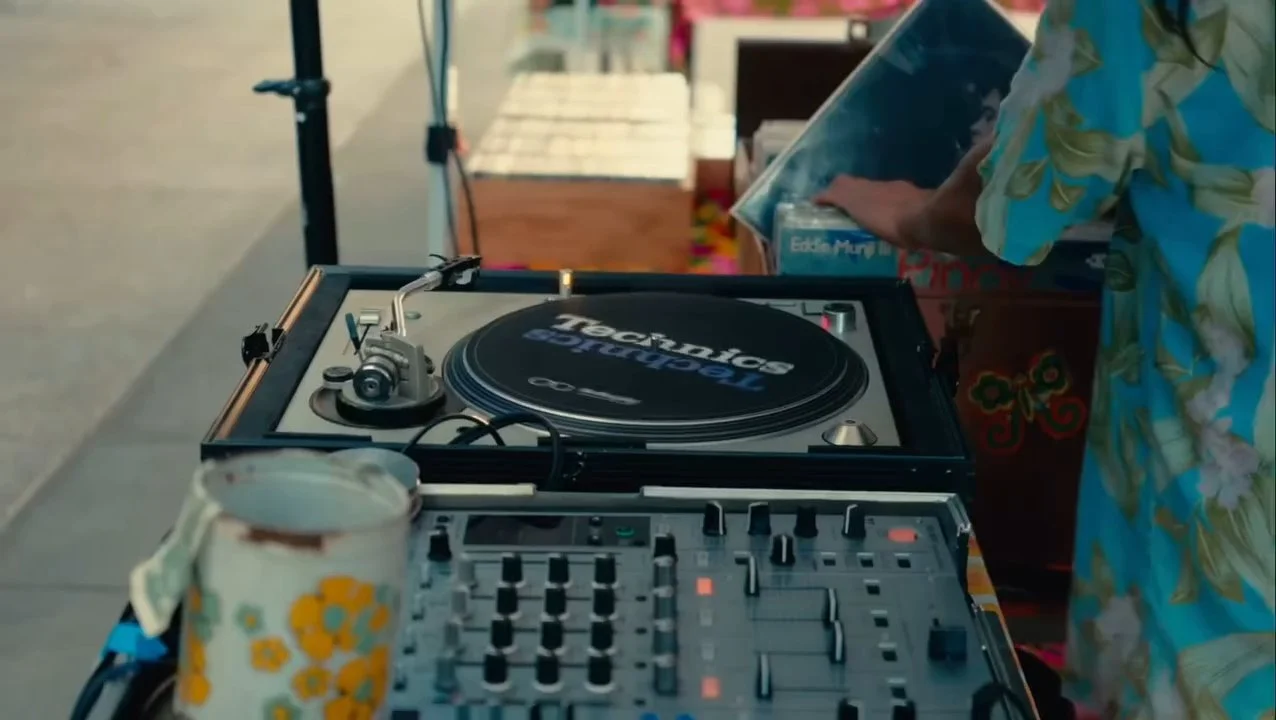
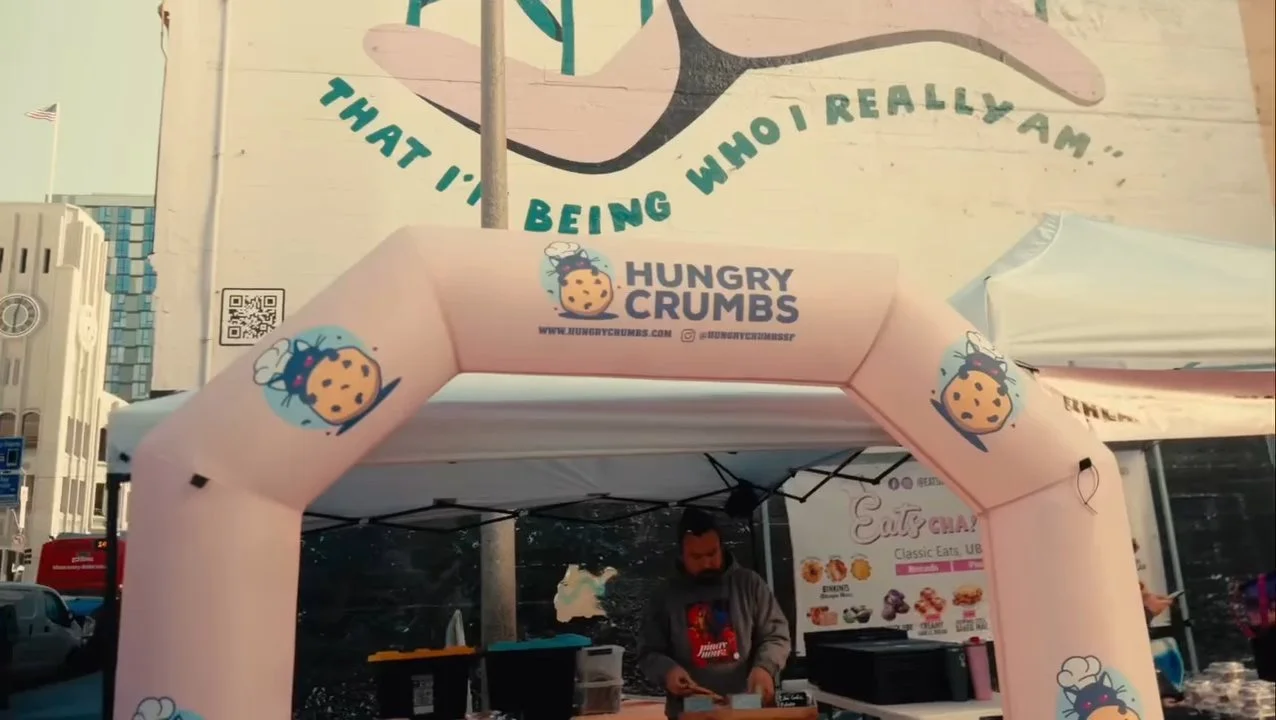
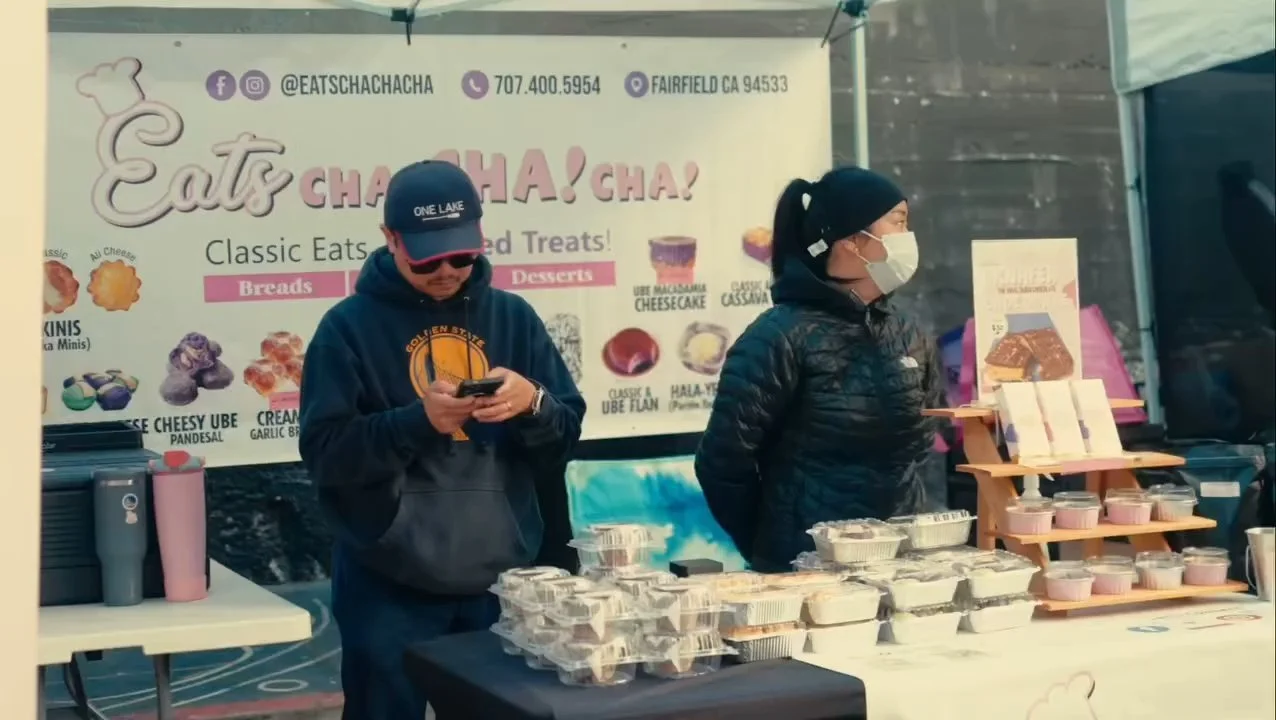
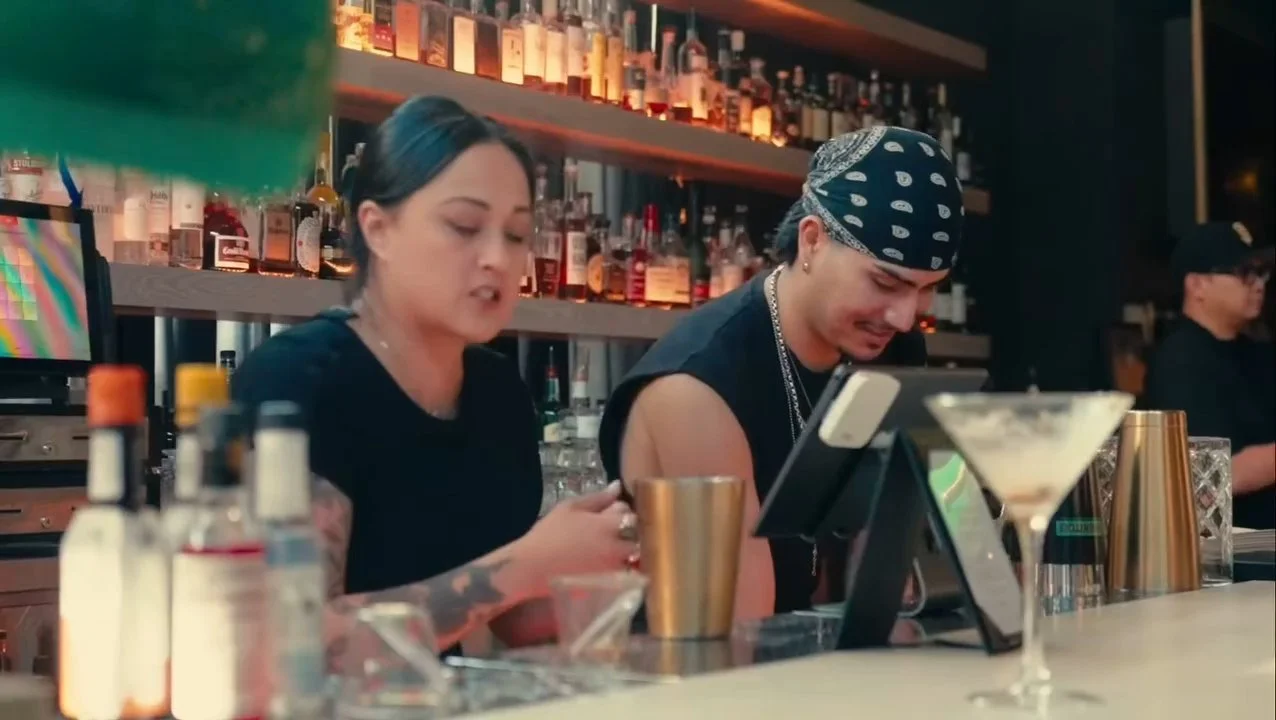
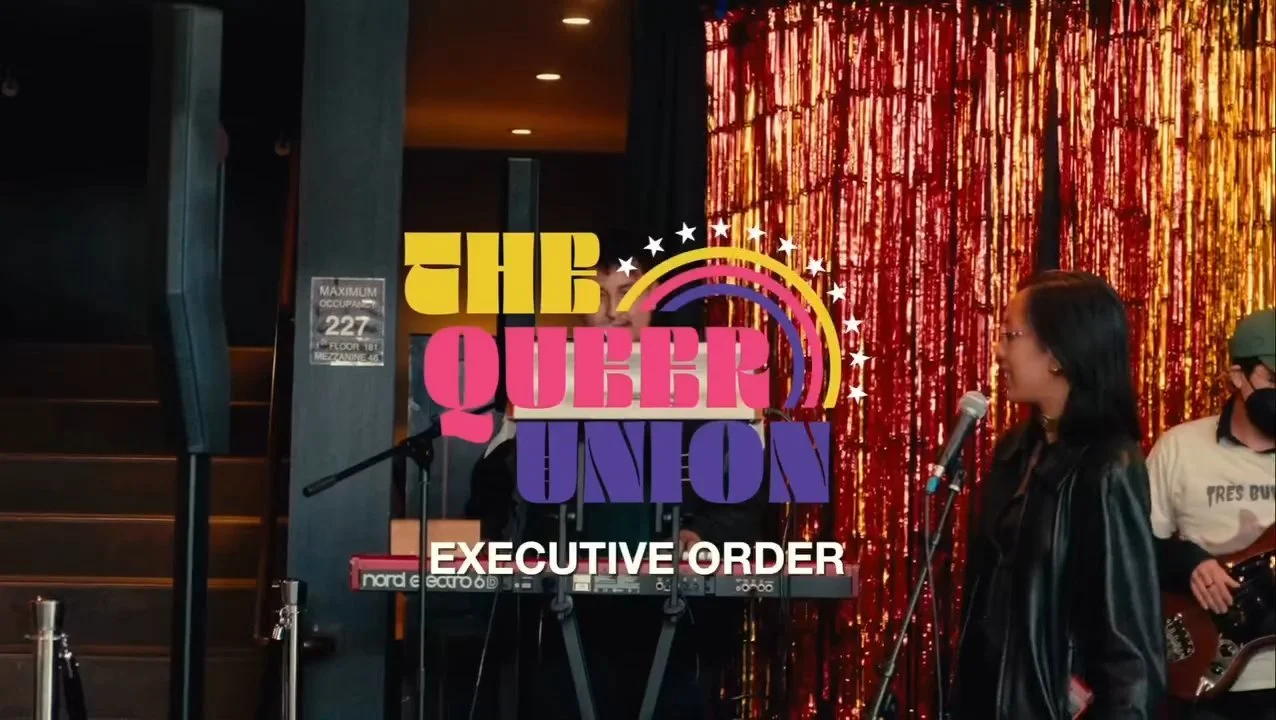
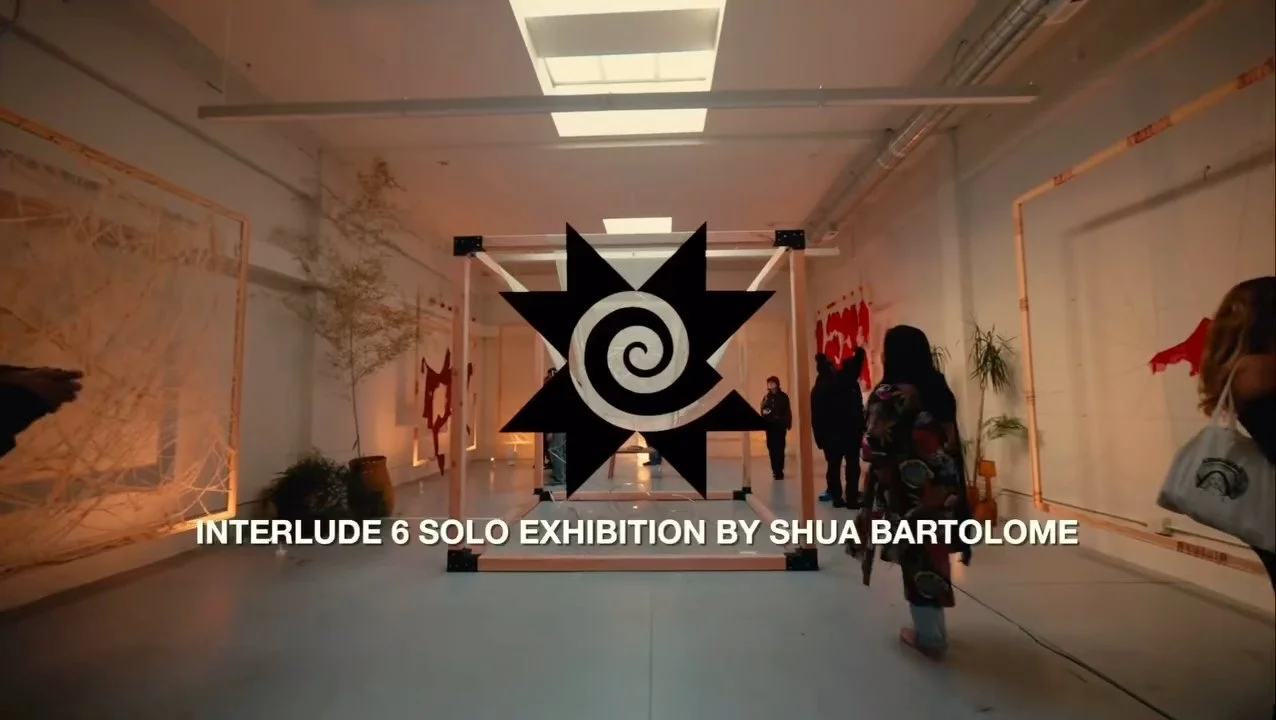
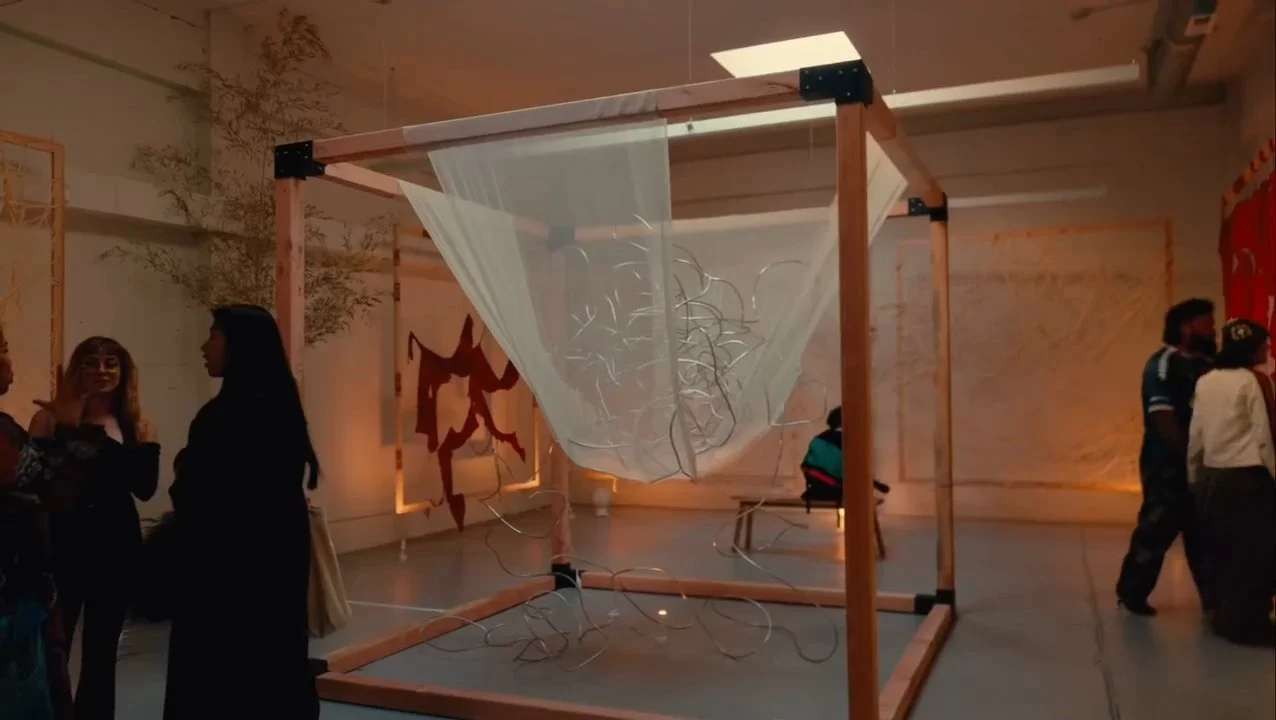
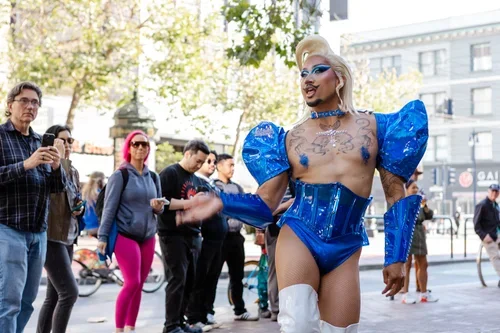
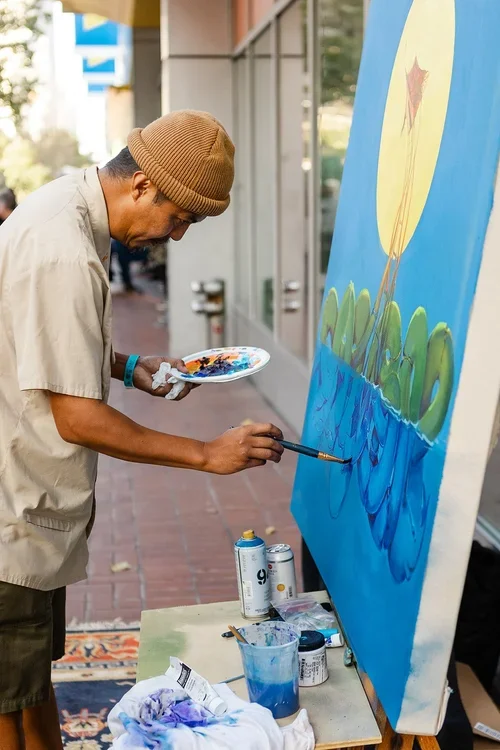
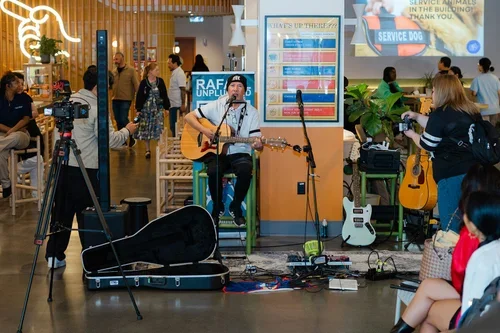
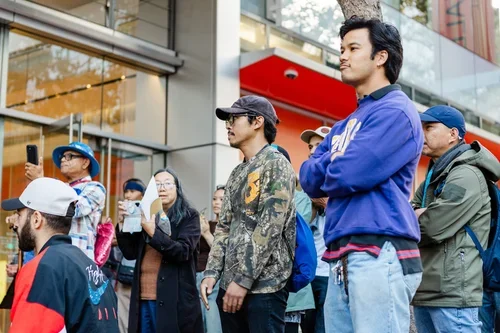
Be Free became a bright spot—an example of what’s possible when we collaborate with the right partners. Our work with Into The Streets proved that even with tighter resources, we can still create experiences that are meaningful, vibrant, and community-rooted.
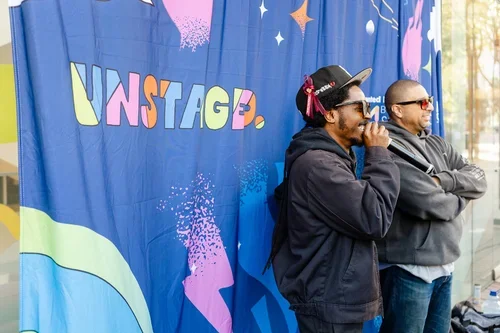
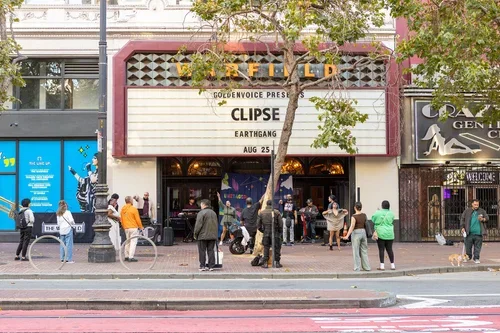
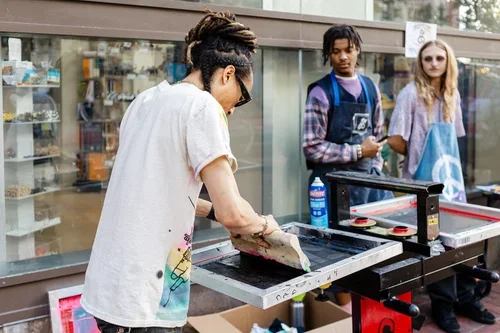
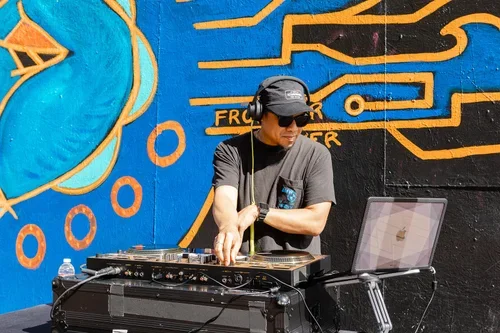
Photos by Alyse Panitz Photography
And alongside Be Free, another reminder came in August. We partnered with Mid-Market Arts as curators for UNSTAGED, bringing forward artists, energy, and public-facing cultural programming at a time when San Francisco deeply needed it. UNSTAGED reminded us that creative activation doesn’t require perfection—it requires people willing to show up, collaborate, and make space for art in real time.
Success this year wasn’t about doing more.
It was about doing the right things—better—together.
Our Footprint Shifted: Smaller in SOMA Pilipinas, Stronger in Japantown
While our physical presence condensed in SOMA Pilipinas, it grew in Japantown.
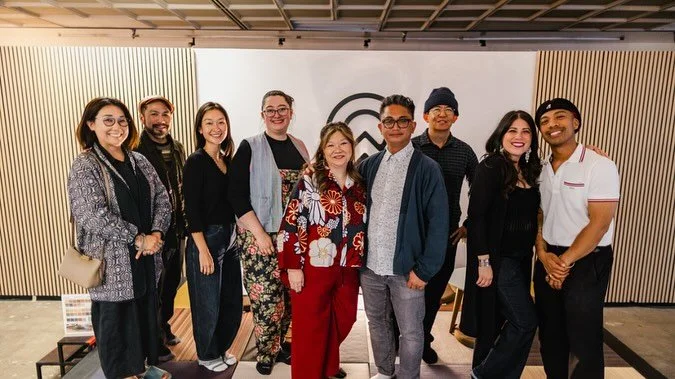
Photos by Jason Leung Photography
This year, KOHO relaunched as a beautiful new co-working space—one designed for creatives, entrepreneurs, and community builders to have a consistent place to work, connect, and dream forward. KOHO represents what we still believe deeply: that space matters, and that community needs places that are welcoming, accessible, and alive with possibility.
Fiscal Sponsorship Momentum (and Creative Platforms): Our Family Programs Grew
One of the clearest sources of encouragement in 2025 was seeing our fiscally sponsored programs—and the creative platforms we support—gain ground.
1AM Projects won a major grant from the Levi’s Foundation to create murals across San Francisco—bringing public art to more neighborhoods, more walls, and more people who deserve to see themselves reflected in their city.
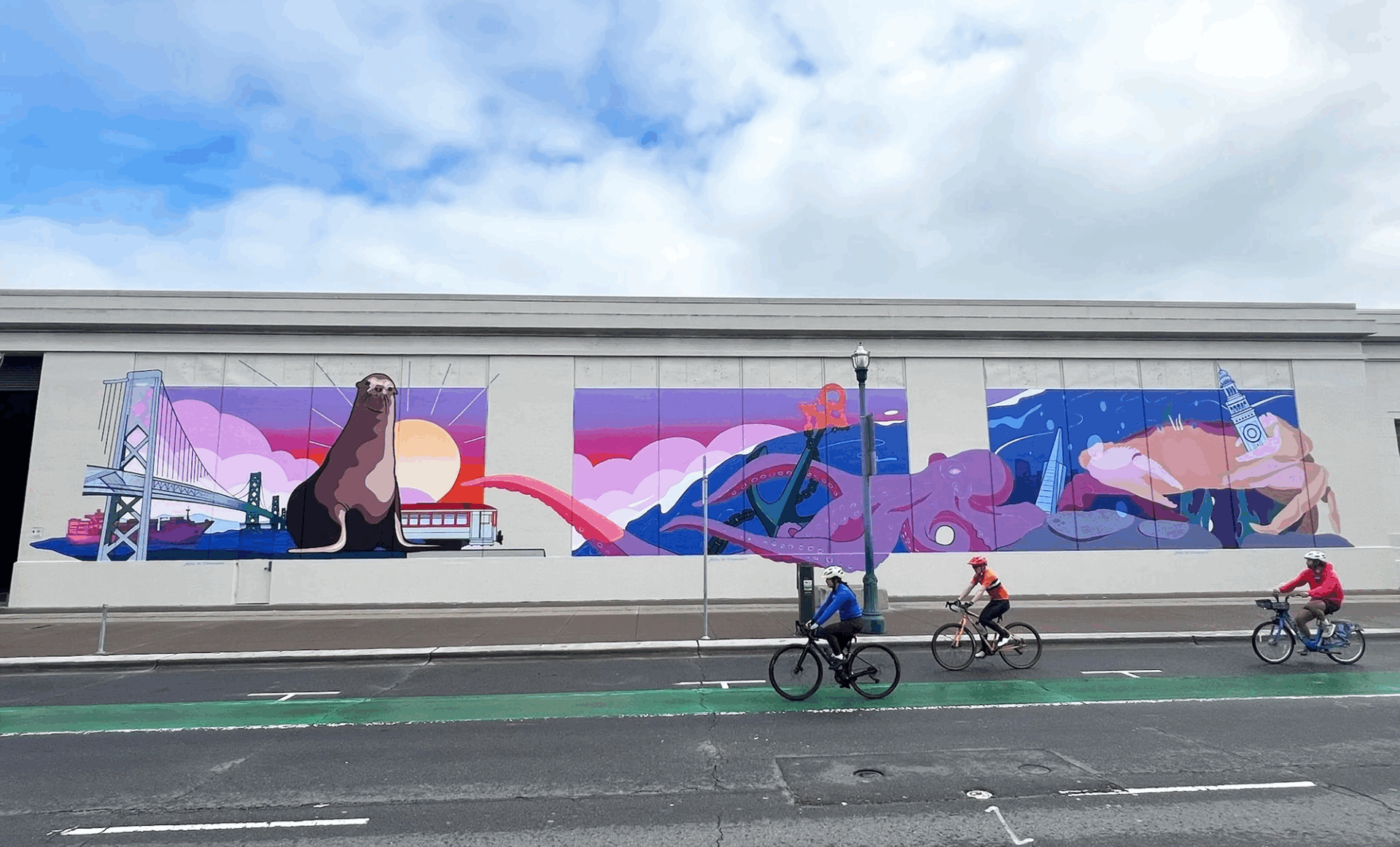
We welcomed Brave New Spaces to the Kultivate Labs family, and they successfully hosted the newest installment of Pinayista—a reminder that cultural work isn’t only about survival, it’s about celebration, voice, and visibility.
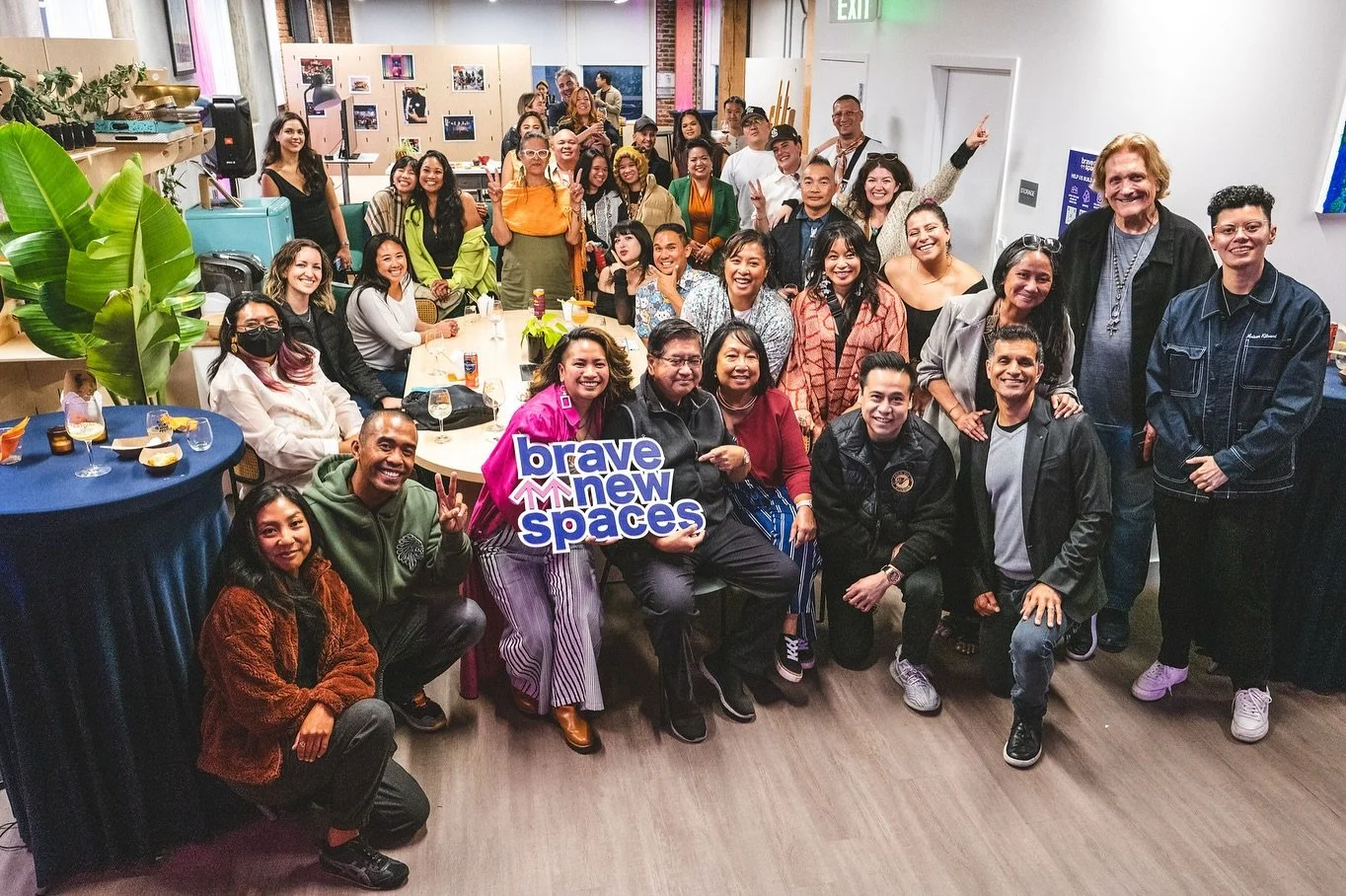
Photo source: Josh Suguitan
And through SF Live—a Plinth Agency project—we kept the spotlight on San Francisco’s nightlife and performing arts community. Even in a year when we had to scale back, SF Live helped elevate artists, venues, and the after-dark ecosystem that supports jobs, small businesses, and the cultural identity of this city. It reinforced something we’ll keep saying: culture is infrastructure, and nightlife is part of how neighborhoods stay alive.
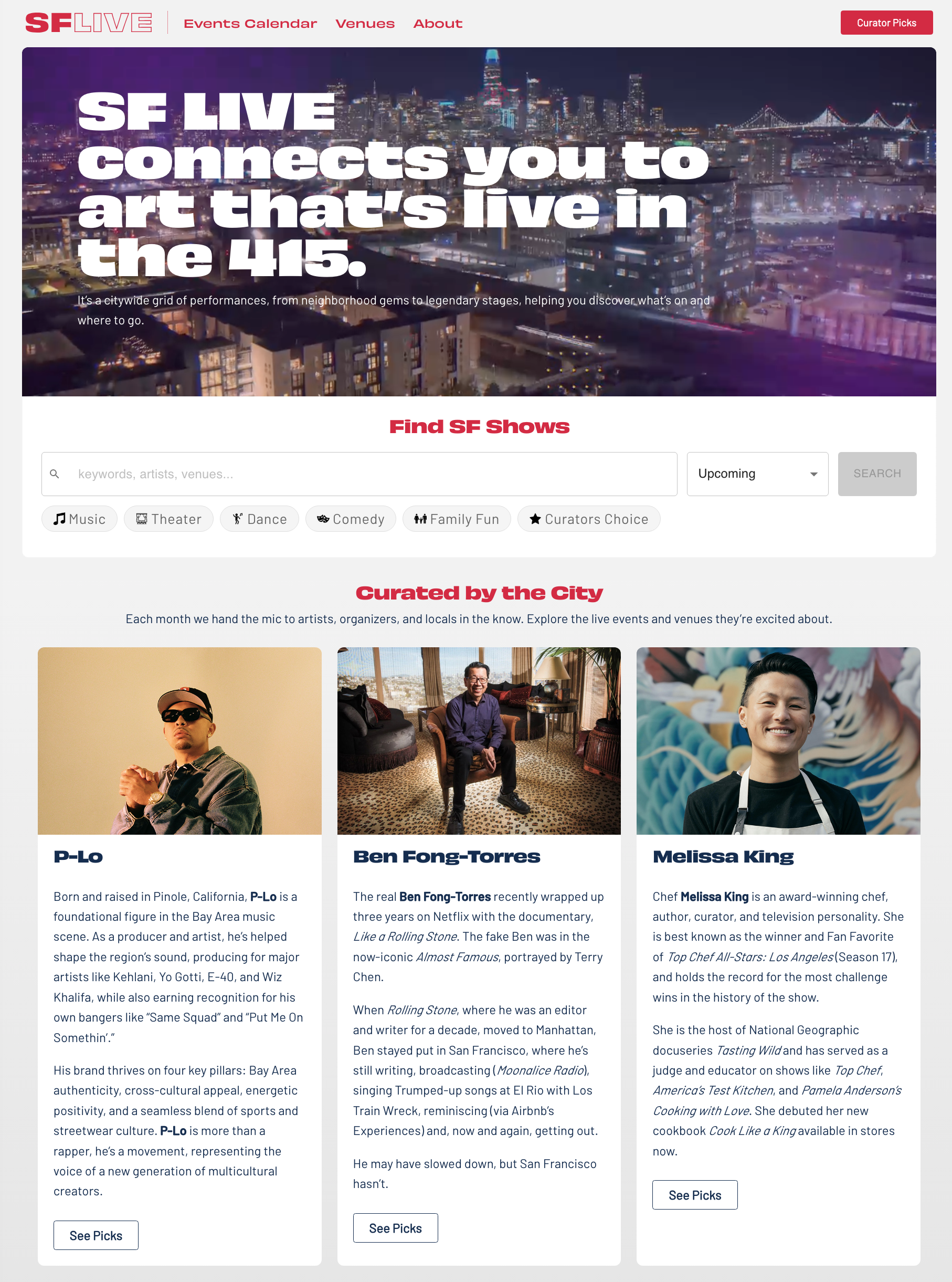
Photosource: sflive.art
In a tough year, these wins mattered. They reminded us that Kultivate Labs is bigger than any one building. We’re a platform—one that helps ideas become reality.
Looking Toward 2026: A Time of Rebuilding
As we look forward to 2026, we’re naming it clearly: this is a rebuild year.
And we’re not rebuilding from scratch—we’re rebuilding from experience.
We’re deeply grateful to share that we’ve secured new momentum to restart and expand critical work:
We won a new grant from the San Francisco Arts Commission to restart the Balay Kreative program, and we’ve already begun artist outreach to shape the next chapter of the studio program.
On 12/3, we were awarded a six-figure grant from the OpenAI Foundation to launch our People-Powered AI Literacy Workshops—a new series designed for artists, small business owners, and nonprofits so our communities can engage AI with confidence, creativity, and agency.
Republika: Moving Through Delays With Determination
We also hit a major milestone this year: we finally submitted our plans for Republika to SFMTA for approval, and we’re hopeful to break ground in Q1 2026.
This process took longer than we wanted. The delays were largely caused by a major redesign—triggered by rapidly rising construction costs tied to Trump tariffs that pushed prices up before we even began.
It’s frustrating to lose time to forces outside your control. But we stayed in it. We did the redesign work. We got the plans submitted. We kept the vision intact.
And now, we’re ready for the next step.
What We’re Carrying Forward
2025 humbled us. It also clarified us.
We’re entering 2026 with a sharper understanding of what matters:
Sustainable operations are not optional.
Collaboration is a force multiplier.
Spaces may change, but community remains.
And the future of cultural equity in San Francisco depends on investing in the people doing the work—artists, small businesses, and neighborhood leaders.
If you’ve supported Kultivate Labs this year—by attending, partnering, donating, sharing a post, or simply cheering us on—thank you. You helped us hold the line.
2026 is about rebuilding. And we’re doing it with our eyes open, our values intact, and our hope fully powered.
— Desi Danganan, ED
###